Explore the World of Food

Discover dishes, ingredients, and cooking methods from every corner of the globe. TryLegacyFoods is a global food knowledge platform dedicated to exploring how food shapes cultures, defines regions, and connects communities across history and geography. From everyday meals to ceremonial dishes, we examine food as both nourishment and cultural expression.

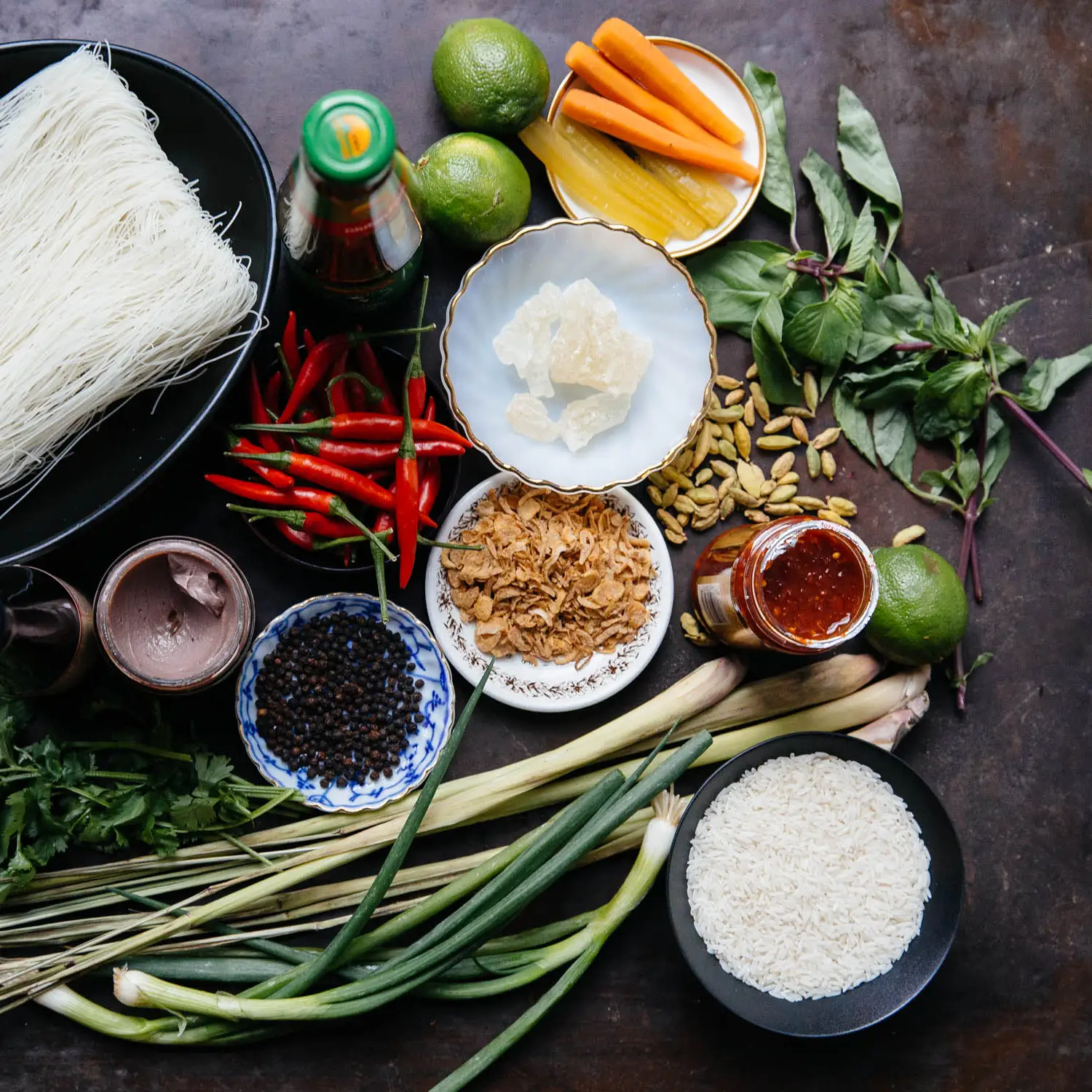
Explore the history, culture, and preparation of dishes, ingredients, and cuisines from around the world. Our content is designed to provide clear, neutral, and well-researched insights into how food traditions develop, evolve, and influence societies worldwide.

Popular Dishes Around the World

From Asia to Europe and the Americas, dishes define cultures and traditions. Explore the origins, main ingredients, and traditional preparation methods of signature dishes such as Spanish paella, Japanese sushi, and Mexican tacos. Each entry provides insight into the cultural context, regional variations, and significance of these foods in everyday life and special celebrations.

Read more →

Essential Ingredients Spotlight

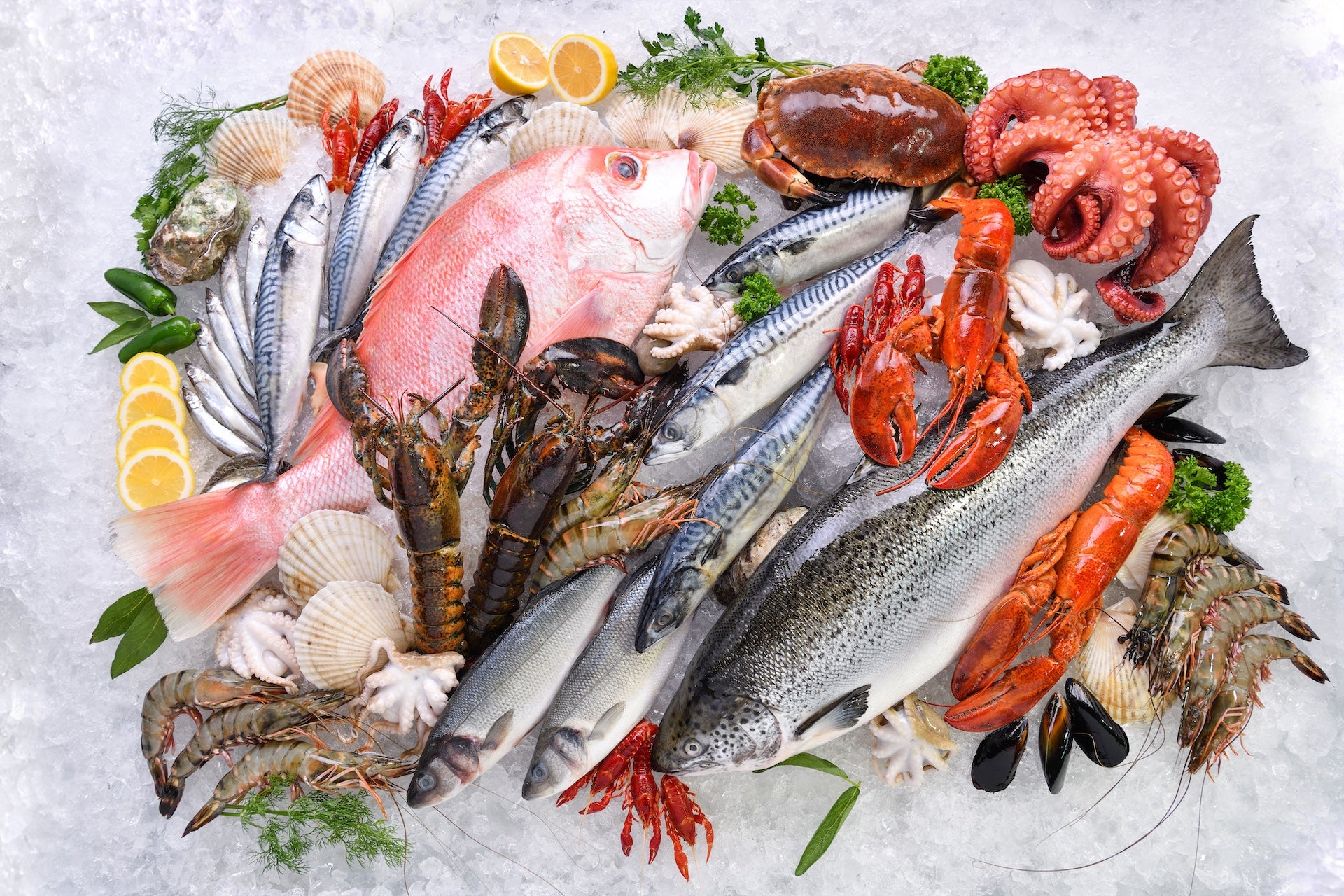
Ingredients are the foundation of every dish and reveal much about local ecosystems and culinary practices. Learn about common and unique ingredients used worldwide, their origins, flavor profiles, typical uses, and the dishes they define. This section covers everything from spices and herbs to grains, vegetables, and fermented products, helping readers understand the global diversity of food.

Read more →

Traditional Cooking Methods

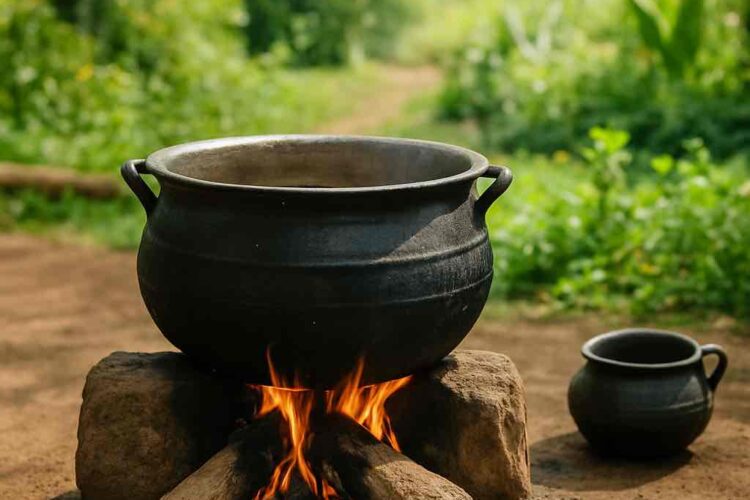
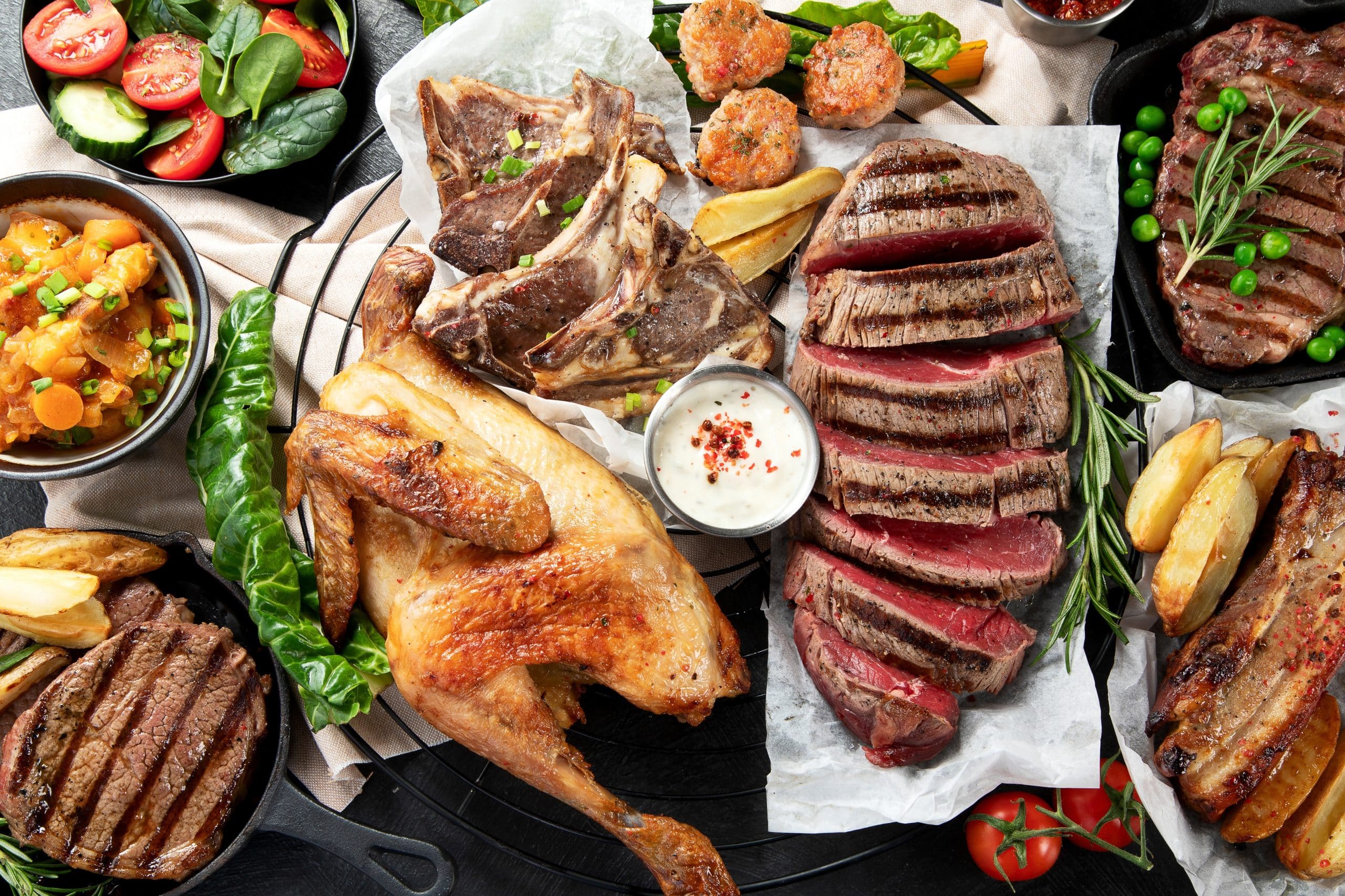
Cooking methods shape the taste, texture, and appearance of food across cultures. Explore techniques such as steaming, grilling, braising, and fermenting, and discover how they influence dishes from different regions. This section highlights both ancient and modern methods, showing how culinary techniques reflect cultural history, local ingredients, and community traditions.

Read more →

Food Traditions Shaped by Density, Season, and Survival

Across the Northern Hemisphere, food cultures developed under conditions of seasonal extremes, dense populations, and early urban growth. Long winters and limited preservation technology forced communities to develop techniques that emphasized storage, durability, and nourishment. As a result, many food traditions in this hemisphere are centered on grains, legumes, preserved meats, and fermented products.

Public food practices emerged early in market towns and trading centers, where cooked food was prepared close to places of work, worship, and travel. These informal food spaces evolved into recognizable street food traditions that mirrored social hierarchy, labor routines, and regional availability of ingredients. Over time, these foods became markers of regional identity, often tied to specific cities, ethnic groups, or occupations.

Food Cultures Formed by Climate, Exchange, and Social Space

Food traditions in the Southern Hemisphere evolved under markedly different environmental and historical conditions. Warmer climates, greater biodiversity, and strong indigenous food systems shaped cuisines that relied heavily on fresh ingredients, open-fire cooking, and seasonal abundance. These traditions were later transformed by migration, colonial trade, and global commodity exchange.

Social food spaces played a central role in southern food cultures. Communal eating, beverage rituals, and shared public venues became important expressions of identity and daily life. From coastal towns to inland cities, food culture often developed around gathering rather than speed, emphasizing interaction, adaptation, and shared experience. These practices continue to influence how food is prepared, consumed, and valued across southern regions today.

10+

Years of Experience

+200

Researchers, Editors & Analysts

33

Cultural Traditions Documented

Updated Food Research Database

Real Food

Exploring Culinary Spaces Worldwide

Food is more than what is served on a plate – it is shaped by place, tradition, and community. This section highlights the environments where food is prepared, shared, and experienced across the globe. From bustling street markets and family-run eateries to local cafés and communal dining spaces, each venue reflects regional culinary identity and cultural practices.

We examine how geography, climate, and social interaction influence the dishes served, the techniques used, and the ways communities gather around food. Rather than focusing on reviews or trends, the emphasis is on understanding food within its cultural and historical context.