

The Role of Fermentation in Food Preservation
Fermentation is one of humanity’s oldest and most influential food preservation techniques. Long before refrigeration and industrial processing, societies relied on fermentation to extend the shelf life of foods, enhance nutritional value, and improve flavor. This biological process allowed communities to survive seasonal scarcity while transforming raw ingredients into culturally significant foods.
Across continents and civilizations, fermentation emerged independently as a response to environmental challenges and food security needs. From fermented grains and dairy to vegetables and fish, the practice became deeply embedded in culinary traditions, religious customs, and everyday diets.
Understanding Fermentation
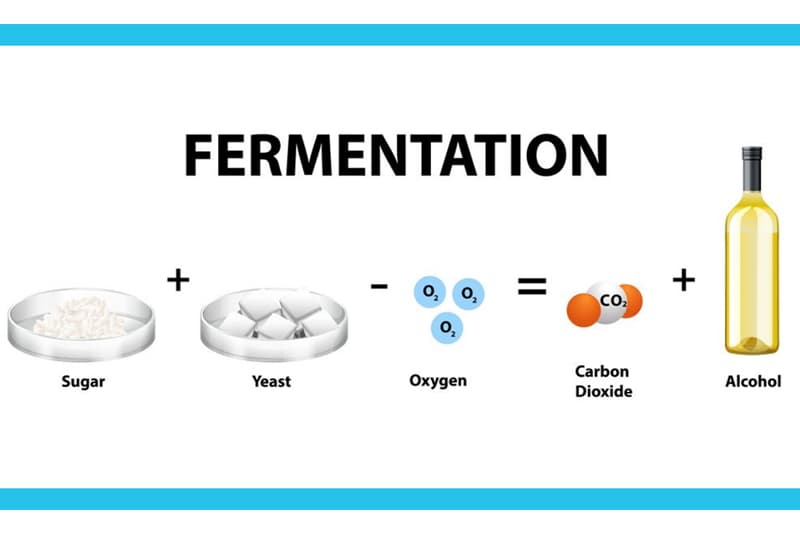
Fermentation is a natural process in which microorganisms such as bacteria, yeast, and molds convert carbohydrates into acids, alcohols, or gases. These byproducts inhibit the growth of harmful pathogens, effectively preserving food while altering its taste and texture.
Unlike cooking methods that rely on heat, fermentation depends on controlled environmental conditions including temperature, moisture, and time. This process requires observation and experience rather than precise measurement, making it a form of applied ecological knowledge.

Fermentation as a Survival Strategy
Historically, fermentation played a crucial role in food security. In regions with long winters, dry seasons, or unpredictable harvests, fermented foods ensured year-round access to nutrition. Vegetables could be stored for months, milk could be preserved as cheese or yogurt, and grains could be transformed into stable foods and beverages.
Fermented foods also reduced waste. Ingredients that might spoil quickly in their raw form could be repurposed through fermentation, extending their usability and maximizing limited resources.

Regional Fermentation Traditions
Different regions developed fermentation practices suited to local climates and ingredients. In East Asia, fermented soy products such as miso, soy sauce, and tempeh became dietary staples. In Europe, dairy fermentation led to diverse cheeses and cultured milk products.
African and South American cultures fermented grains and tubers to create porridges and beverages that improved digestibility. In coastal regions, fish fermentation provided essential protein preservation in humid environments.
Each fermented food reflects local microbial ecosystems, making fermentation a uniquely regional expression of food culture.

Nutritional and Cultural Impact
Beyond preservation, fermentation enhances nutritional value. The process can increase vitamin availability, improve mineral absorption, and support digestive health. These benefits contributed to the long-term reliance on fermented foods across civilizations.
Fermented foods also carry symbolic and cultural significance. They are often associated with rituals, celebrations, and communal meals, reinforcing social bonds and shared identity.
Knowledge Transmission and Craft
Fermentation knowledge has traditionally been passed down through observation, oral instruction, and practice. Recipes often vary between households, reflecting subtle differences in technique and environment.
This intergenerational transmission preserved both food security and cultural continuity. Even today, many fermentation practices remain closely tied to family traditions and local identity.
Fermentation in the Modern World
Modern food systems have industrialized fermentation for efficiency and scale. While this has increased accessibility, it has also simplified many traditional processes. As a result, renewed interest has emerged in artisanal and traditional fermentation methods.
Contemporary movements focused on sustainability, gut health, and cultural preservation have brought renewed attention to fermentation as both a practical and cultural practice.
Conclusion
Fermentation stands at the intersection of biology, culture, and survival. It reflects humanity’s ability to adapt to environmental constraints while creating foods rich in meaning, flavor, and history. As both a preservation technique and cultural archive, fermentation continues to shape global food traditions across generations.
Leave a Reply