Food Rituals and Community Identity
Across civilizations and time periods, food has functioned as far more than nourishment. Ritual meals, ceremonial dishes, and shared eating practices serve as expressions of belief, belonging, and collective memory. Food rituals reinforce social bonds and transmit cultural values from one generation to the next.
Whether practiced daily or reserved for significant life events, food rituals encode history, religion, and social structure. This article examines how ritualized food practices contribute to community identity, exploring their social functions, symbolic meanings, and regional diversity through a global, non-commercial perspective.
Food as a Social Language
Ritualized food practices operate as a form of social communication. The preparation, presentation, and sharing of food often follow established rules that reflect hierarchy, respect, and belonging within a community.
These practices are learned behaviors, transmitted through observation and participation rather than written instruction. As such, food rituals become deeply embedded in cultural identity and collective consciousness.

Ritual Meals and Life Transitions
Many cultures mark life transitions through specific foods and ceremonial meals. Births, coming-of-age events, marriages, and funerals are often accompanied by ritual dishes that symbolize continuity, fertility, or remembrance.
These meals serve a stabilizing function during moments of change. By repeating established food rituals, communities reaffirm shared values and reinforce emotional support networks.
In this way, ritual food practices provide both symbolic meaning and psychological grounding.

Seasonal and Agricultural Rituals
Agricultural cycles strongly influence food rituals. Seasonal festivals celebrating planting, harvest, or climatic transitions often revolve around specific foods that reflect local ecology and labor patterns.
These rituals acknowledge dependence on the natural environment while reinforcing collective responsibility and cooperation. Meals prepared from freshly harvested crops symbolize renewal and shared prosperity.
Over time, seasonal foods become markers of cultural calendars and regional identity.

Religious and Spiritual Food Practices
Religious traditions frequently regulate food consumption through fasting, feasting, or dietary restrictions. These practices serve spiritual, ethical, and communal purposes beyond physical sustenance.
Ritual meals in religious contexts often symbolize devotion, sacrifice, gratitude, or purification. Shared participation reinforces group identity and spiritual cohesion.
Across faiths, food rituals create continuity between belief systems and everyday life.

Communal Eating and Social Equality
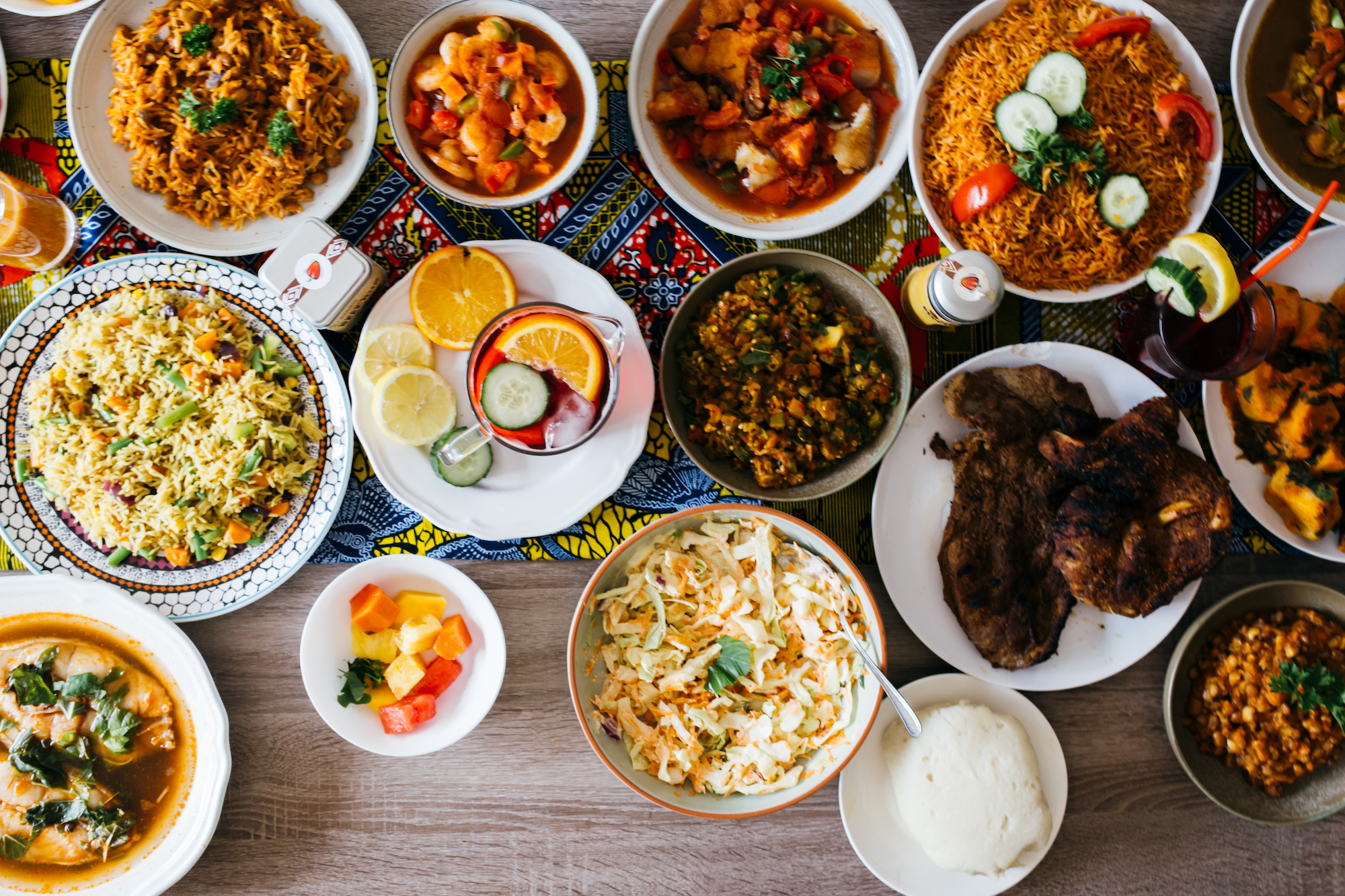
In many societies, communal eating practices emphasize equality and shared responsibility. Sitting together, sharing dishes, or eating from common vessels minimizes social barriers and reinforces mutual dependence.
These practices often function as informal social institutions, strengthening trust and cooperation within communities. Even today, communal meals remain powerful expressions of hospitality and inclusion.
Continuity and Change in Food Rituals
While modernization and urbanization have altered many food practices, ritual meals continue to adapt rather than disappear. New contexts reshape traditions while preserving their symbolic core.
Migration and cultural exchange introduce variation, yet food rituals remain anchors of identity for diasporic communities seeking continuity across generations.
Conclusion
Food rituals provide insight into how communities define themselves, navigate change, and preserve shared meaning. Beyond nourishment, these practices connect individuals to history, belief, and collective memory.
Studied globally, food rituals reveal how deeply culinary practices are intertwined with human identity—serving as living expressions of culture across time and geography.
Leave a Reply