How Trade Routes Changed Global Diets
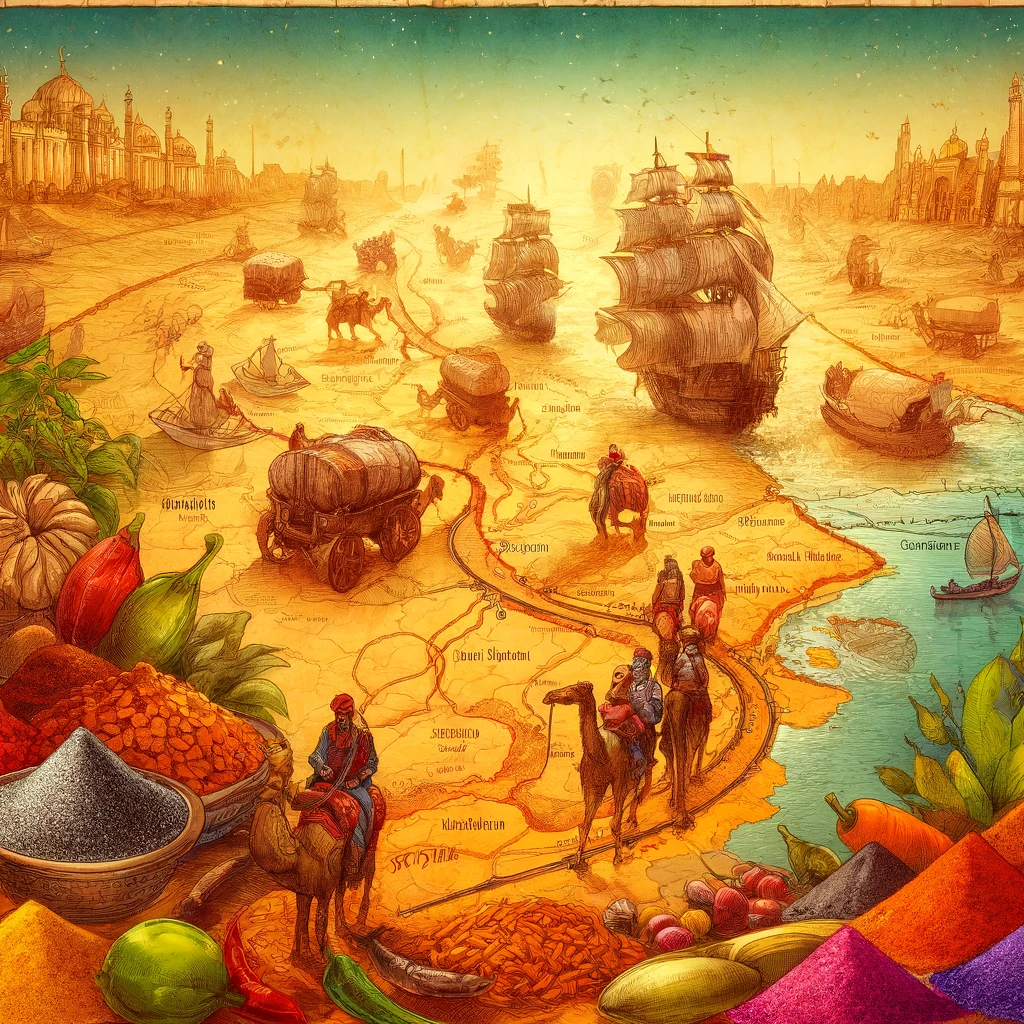
Trade routes have played a crucial role in shaping what people eat across the world. Long before modern globalization, networks of merchants, travelers, and explorers carried ingredients, cooking techniques, and food knowledge across continents. These exchanges permanently transformed regional diets and introduced new flavors, crops, and culinary practices.
From ancient land corridors to vast maritime routes, food traveled alongside textiles, metals, and ideas. This article examines how historical trade routes reshaped global diets, influenced agricultural systems, and connected distant cultures through shared ingredients and evolving food traditions.
Food Exchange Before Modern Transportation
Before refrigeration and rapid transport, food trade required preservation, durability, and adaptability. Only certain ingredients-such as dried grains, spices, legumes, and fermented products-could withstand long journeys. These limitations influenced which foods spread and how they were adopted.
As trade networks expanded, food became a form of cultural exchange. Ingredients were adapted to local climates and tastes, often evolving into entirely new regional dishes distinct from their original forms.

The Silk Road and Culinary Transformation
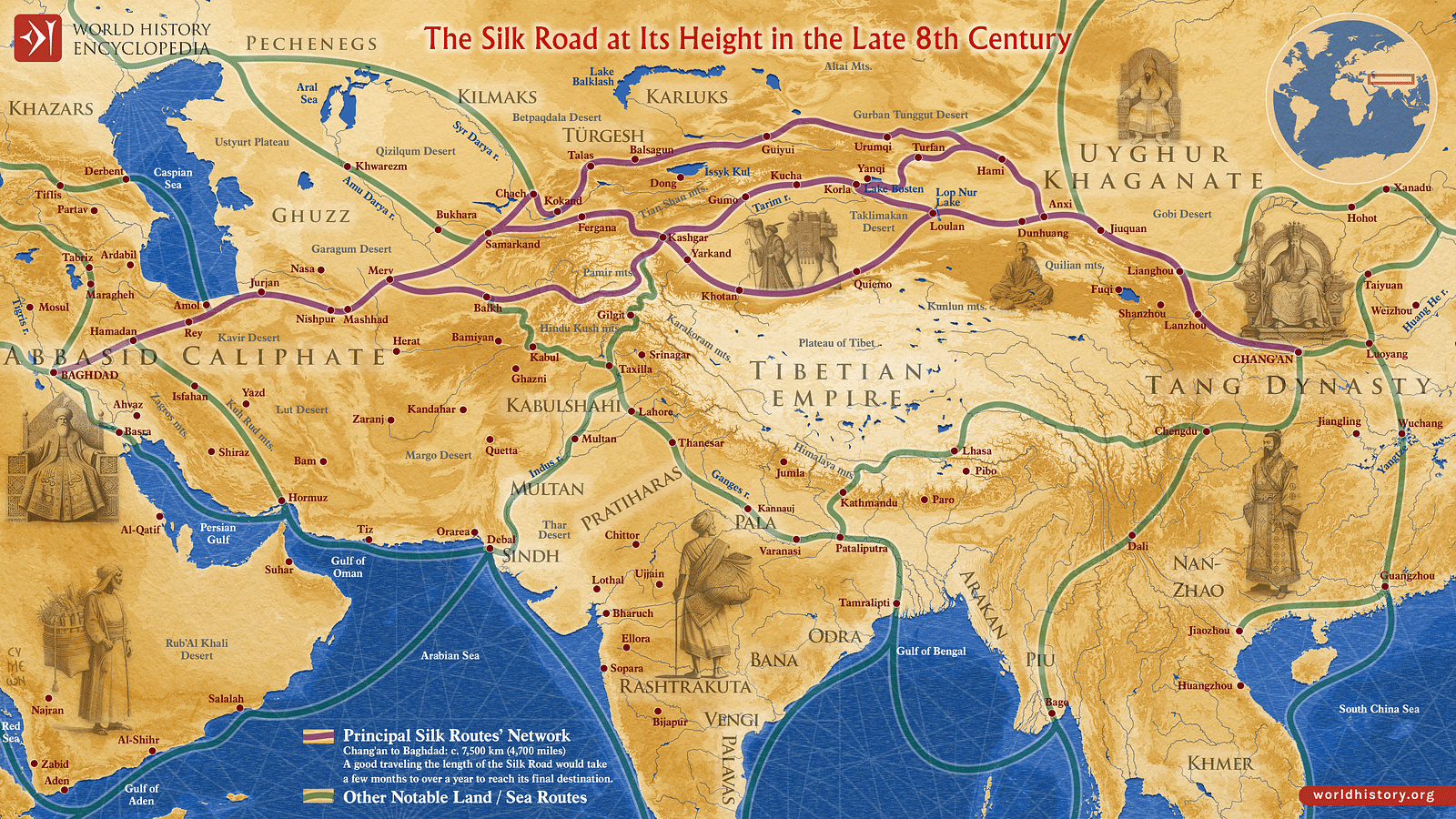
The Silk Road was one of the most influential trade networks in history. Stretching across Asia, the Middle East, and Europe, it facilitated the movement of grains, fruits, spices, and cooking methods between civilizations.
Foods such as wheat noodles, citrus fruits, almonds, and spices spread along these routes. The introduction of spices not only changed flavor profiles but also influenced food preservation and medicinal practices.
The Silk Road demonstrates how diets evolve through contact rather than isolation, blending local traditions with imported ingredients.
Maritime Trade and Global Ingredients
Sea-based trade routes expanded the reach of food exchange even further. Maritime networks connected Africa, Asia, Europe, and the Americas, allowing ingredients to circulate on an unprecedented scale.
Crops such as rice, bananas, sugarcane, and coconuts spread through Indian Ocean trade routes. Coastal communities adapted these ingredients to local cuisines, shaping enduring food traditions.
Maritime trade also encouraged the development of preserved foods such as dried fish, salted meats, and pickled vegetables, essential for long voyages.

The Columbian Exchange
One of the most significant moments in food history was the Columbian Exchange, which followed European contact with the Americas. This exchange permanently altered diets worldwide.
Foods such as maize, potatoes, tomatoes, chili peppers, and cacao traveled from the Americas to Europe, Africa, and Asia. In return, wheat, livestock, and sugarcane were introduced to the Americas.
Many foods now considered central to national cuisines-such as Italian tomatoes or Indian chilies-were unknown in those regions before global trade.

Trade, Adaptation, and Cultural Identity
Imported foods rarely remained unchanged. Local environments, religious practices, and cultural preferences influenced how new ingredients were cultivated and cooked. This adaptation process allowed foreign foods to become culturally embedded.
Trade routes also shaped social hierarchies and economic systems. Certain foods became symbols of wealth or ritual importance, while others became everyday staples.
Over time, these adaptations created hybrid cuisines that reflect centuries of exchange, resilience, and creativity.
Conclusion
Trade routes transformed global diets by connecting distant regions through food. Ingredients traveled alongside people, ideas, and technologies, reshaping agriculture, cooking methods, and cultural identities.
Understanding the role of trade in food history reveals that modern cuisines are the result of long-term exchange rather than isolated development. Food remains one of the most enduring records of human interaction across time and geography.
Leave a Reply