
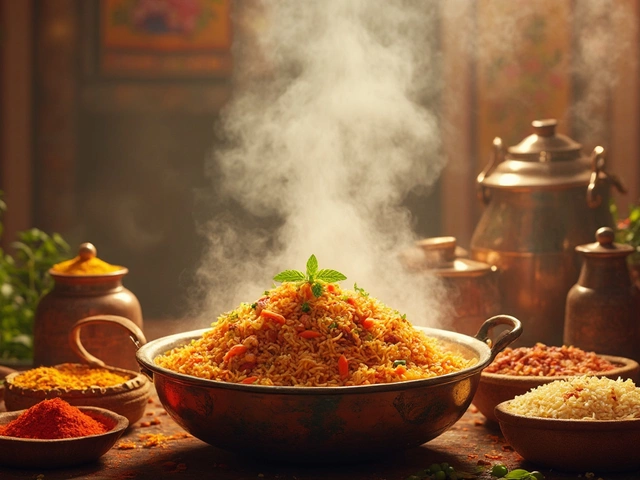
India: Rice and Cultural Continuity
Rice has sustained Indian civilizations for thousands of years, forming the nutritional, economic, and cultural backbone of large parts of the subcontinent. Archaeological evidence suggests rice cultivation in the Indus and Gangetic plains dates back several millennia, closely tied to river systems and monsoon patterns.
More than a staple food, rice represents continuity in Indian life. It connects ancient agrarian societies with modern households, maintaining its central role despite urbanization, globalization, and dietary change.
Origins of Rice Cultivation in the Indian Subcontinent
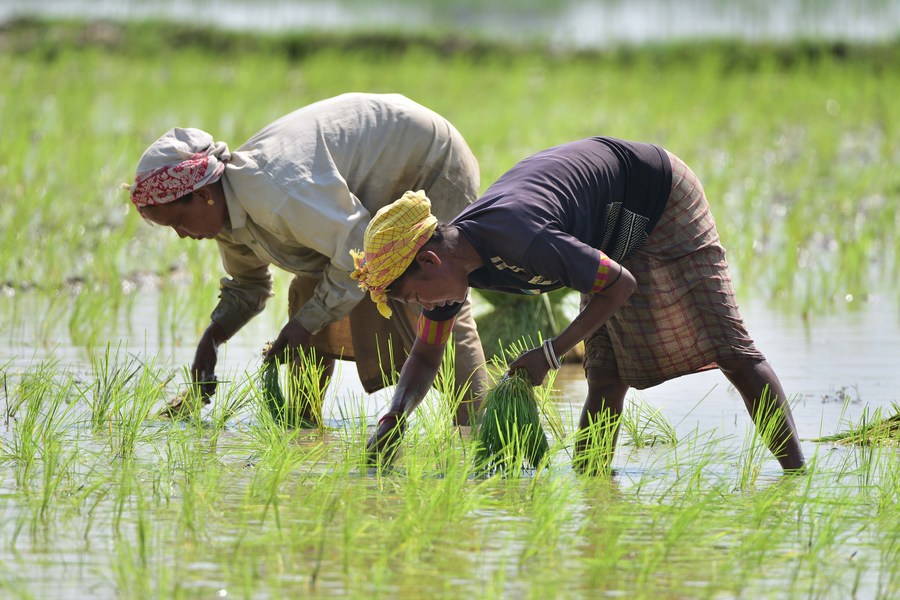
The domestication of rice in India developed alongside the evolution of early settlements. Floodplains provided fertile soil and predictable water cycles, allowing communities to cultivate rice as a reliable food source. Seasonal monsoons shaped planting schedules, harvest rituals, and storage practices.
Over time, farmers selected rice varieties adapted to local conditions, resulting in thousands of indigenous strains. These varieties reflect regional climates, soil types, and culinary needs, demonstrating agricultural knowledge refined across generations.
Rice as a Regional Foundation of Indian Diets
India’s vast geography produces diverse rice-based food cultures. In eastern and southern regions, rice dominates daily meals, often served steamed and accompanied by vegetables, lentils, and fermented foods. In coastal areas, rice pairs naturally with seafood, while inland regions integrate it with pulses and seasonal produce.
Northern and central India incorporate rice alongside wheat and millet, reflecting different agricultural histories. Despite these variations, rice remains universally recognized as a foundational food across the country.
Ritual, Symbolism, and Social Meaning
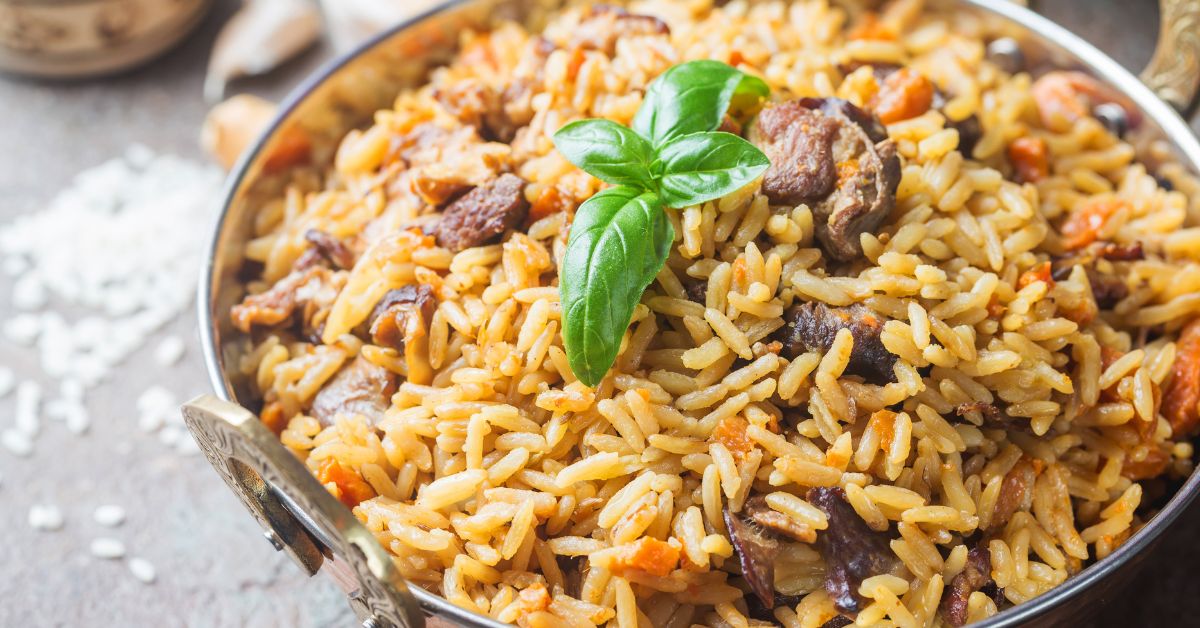
Rice carries deep symbolic meaning in Indian culture. It represents fertility, prosperity, and continuity, making it essential in religious rituals, weddings, harvest festivals, and rites of passage. Offerings of rice appear in temples and household ceremonies across religious traditions.
At the household level, rice anchors daily meals, creating a sense of stability and routine. The act of sharing rice-based meals reinforces family bonds and social relationships, embedding food within broader cultural values.

Preservation, Fermentation, and Culinary Innovation
Traditional techniques extended rice’s usefulness beyond harvest seasons. Fermentation, sun-drying, and soaking allowed communities to preserve nutrition while improving digestibility. Foods such as idli, dosa, fermented rice water, and puffed rice emerged from these practices.
These methods demonstrate how culinary innovation addressed environmental challenges. Rather than waste surplus grain, communities transformed it into durable, nourishing foods suited to local climates and lifestyles.
Rice in Modern India
Today, rice remains central despite changes in agriculture and consumption patterns. Mechanization and improved distribution have increased availability, but traditional preferences persist. Regional cuisines continue to value local rice varieties and preparation methods.
Efforts to preserve indigenous rice strains reflect growing awareness of biodiversity, nutrition, and cultural heritage. Rice thus continues to evolve while maintaining its historical significance.
Conclusion
Rice’s enduring role in India illustrates the deep connection between food, environment, and culture. Its ability to adapt to regional conditions while maintaining symbolic and nutritional importance explains its persistence across centuries.
As both sustenance and cultural marker, rice embodies continuity—linking past and present, ritual and routine, survival and identity within Indian society.
Leave a Reply