
Popular Dishes Around the World
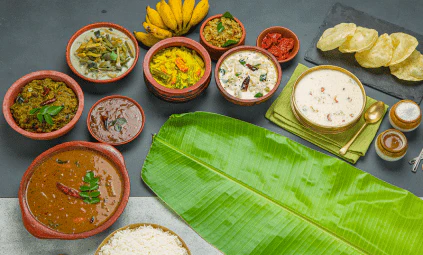
Food is one of the most enduring expressions of human civilization. Across continents and cultures, popular dishes emerge as reflections of geography, history, climate, and collective identity. These dishes are not merely recipes but cultural records, shaped by centuries of adaptation, migration, and social change.
From rice-based meals in Asia to bread-centered traditions in Europe and maize- driven cuisines in the Americas, food reveals how societies respond to their environment and preserve knowledge across generations. This article explores widely recognized dishes from around the world, examining their origins, preparation methods, and cultural significance through a neutral, encyclopedic lens.
Food as Cultural Identity
Throughout history, food has functioned as both sustenance and symbol. The preparation and sharing of meals reinforce social bonds, define regional identities, and mark significant life events. Popular dishes often gain their status not through exclusivity, but through familiarity, accessibility, and emotional connection.
Many dishes considered iconic today began as practical solutions to everyday needs. Limited resources encouraged creativity, while preservation techniques such as drying, fermenting, and salting shaped enduring flavor profiles. Over time, these practical meals evolved into cultural markers recognized far beyond their places of origin.

European Culinary Traditions
European cuisines are characterized by strong regional distinctions. Climate, agriculture, and historical class structures influenced how food developed in different areas. While modern Europe shares access to global ingredients, traditional dishes continue to reflect localized culinary heritage.
In Spain, paella originated in the agricultural regions of Valencia. Prepared over open flames and shared communally, it combined rice with locally available ingredients such as vegetables, seafood, or meat. Its enduring popularity lies in its adaptability and social nature.
Italy’s pasta tradition demonstrates how a single foundational concept can produce extraordinary diversity. Hundreds of pasta shapes exist, each designed to complement specific sauces and ingredients. Pasta remains central to Italian identity, representing regional pride and historical continuity.

Asian Culinary Philosophy
Asian cuisines are deeply influenced by philosophical approaches to balance, health, and harmony. Food is often viewed as interconnected with physical and spiritual well-being, resulting in cooking traditions that emphasize moderation, seasonal ingredients, and technical precision.
Japanese sushi evolved from early preservation methods into a culinary art form emphasizing freshness and restraint. Each element, from rice seasoning to knife technique, reflects broader aesthetic values rooted in discipline and respect for ingredients.
In South Asia, biryani represents centuries of cultural exchange. Influenced by Persian cooking traditions, it spread across the subcontinent, adapting to local spices, cooking vessels, and regional tastes. Biryani is often associated with celebration and hospitality.
The Americas: Adaptation and Fusion
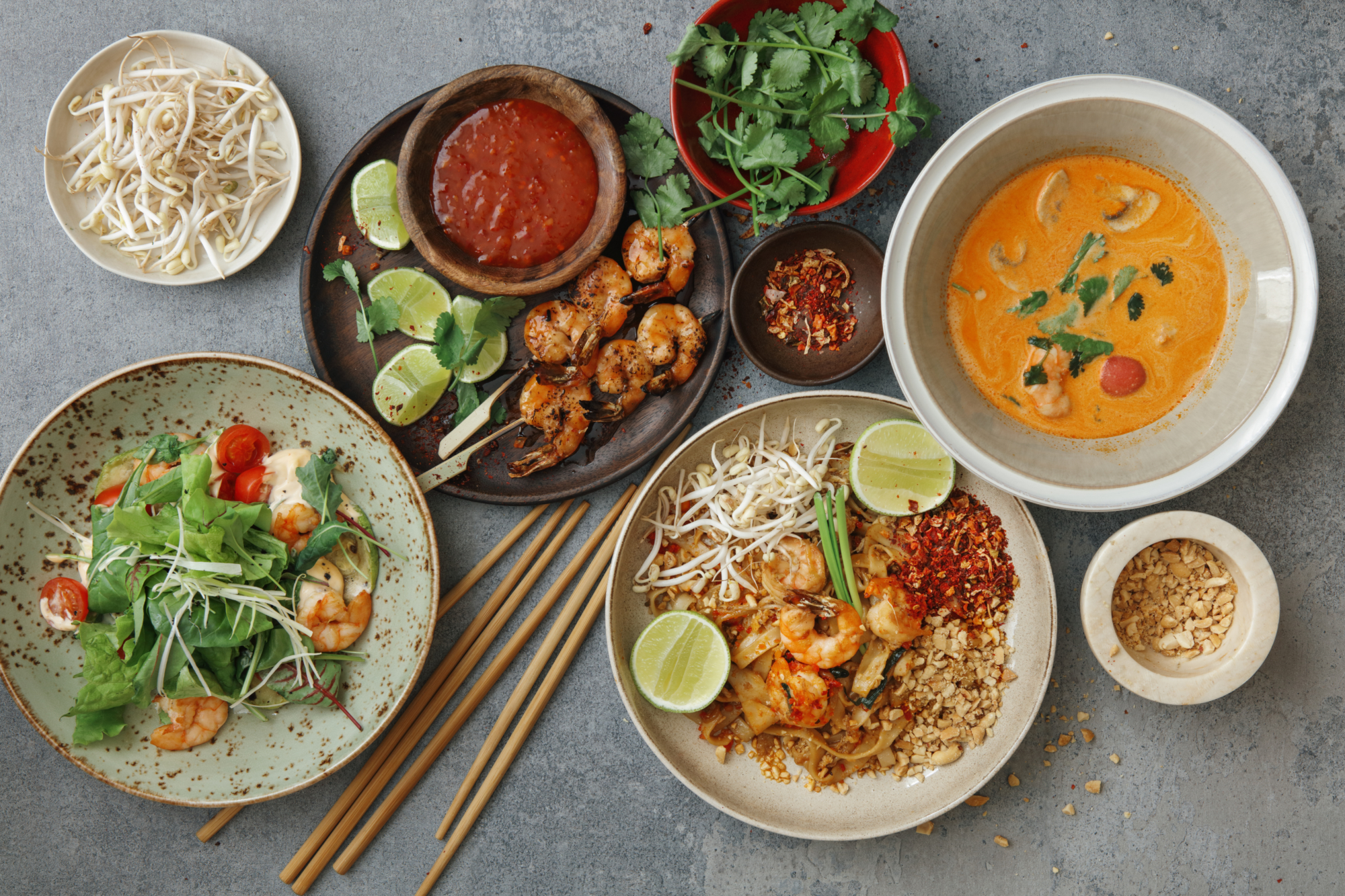
The cuisines of the Americas reflect complex histories of indigenous knowledge, colonization, migration, and adaptation. Native ingredients such as maize, beans, and squash merged with introduced livestock, grains, and cooking methods to form entirely new culinary traditions.
Mexican tacos exemplify flexibility and cultural continuity. Built around the tortilla, tacos accommodate countless fillings while remaining rooted in indigenous culinary practices. They function as both everyday meals and cultural symbols.
In the United States, the hamburger emerged from European minced meat traditions and evolved alongside industrialization. Its global spread reflects broader patterns of urbanization, efficiency, and mass consumption.

Why Certain Dishes Become Global Icons
The endurance of popular dishes is rarely accidental. Adaptability allows recipes to survive changing environments, while affordability ensures widespread adoption. Cultural meaning transforms everyday meals into symbols of identity and belonging.
Food also serves as narrative. Recipes encode stories of migration, trade, resilience, and innovation. Each preparation becomes an act of cultural preservation, reinforcing shared memory across generations.
Globalization and Contemporary Perspectives
In the modern world, globalization has expanded the reach of traditional dishes. Media, tourism, and migration introduce cuisines to new audiences, often leading to reinterpretation. While this increases accessibility, it also raises questions of authenticity and cultural respect.
Understanding the historical and cultural context of popular dishes remains essential. Appreciation extends beyond taste, requiring recognition of the traditions and communities that shaped these foods.
Conclusion
Popular dishes around the world serve as gateways to understanding global culture. Through ingredients, techniques, and shared traditions, food reflects how societies adapt, interact, and preserve identity. Examined from an encyclopedic perspective, these dishes reveal food as a living archive of human history.
Leave a Reply