
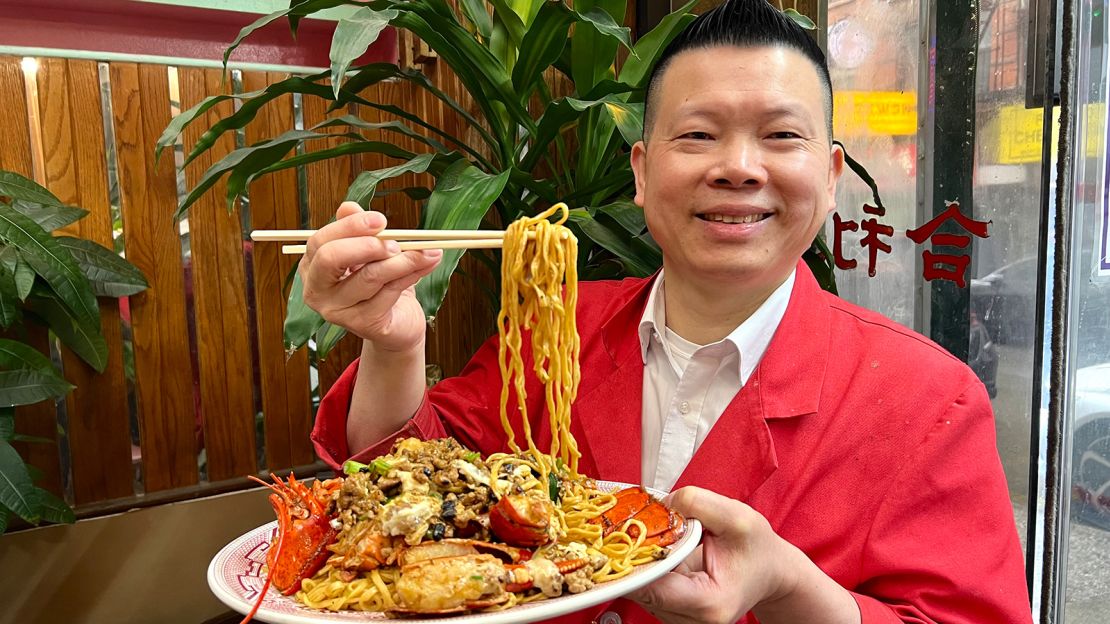
China: Noodles, Migration, and Longevity
Noodles occupy a foundational place in Chinese food history, representing more than a staple ingredient. Across centuries, noodles became symbols of longevity, migration, and cultural continuity, adapting to regional conditions while maintaining a shared culinary identity.
This article explores how noodles emerged in China, how they spread across regions and borders, and why they continue to hold cultural and symbolic importance in Chinese society.
Early Origins and Agricultural Foundations
Archaeological evidence suggests that noodle-like foods existed in China over four thousand years ago, emerging alongside early grain cultivation. Wheat and millet formed the agricultural backbone of northern China, where boiling and steaming techniques supported dough-based foods.
The development of milling tools and water-based cooking vessels allowed communities to transform grain into stretched, cut, or pulled dough forms, creating the earliest precursors to modern noodles.

Noodles and Regional Adaptation
China’s vast geography produced a wide range of noodle traditions. Northern regions, with colder climates and wheat agriculture, favored thick hand-pulled noodles, dumpling skins, and steamed dough preparations.
Southern regions, where rice dominates, developed rice noodles that reflected local water availability and climate. These variations demonstrate how a single food form adapted to ecological conditions without losing cultural cohesion.

Migration, Trade, and Culinary Exchange
Noodles traveled alongside people. Internal migration, military movement, and trade routes carried noodle techniques across provinces and beyond China’s borders. Each movement introduced local ingredients and methods while preserving core techniques.
Over time, noodles influenced cuisines across East and Southeast Asia, becoming a shared culinary language shaped by migration and adaptation.

Symbolism and Social Meaning
In Chinese culture, noodles symbolize longevity and continuity. Long, unbroken strands are traditionally served during birthdays and celebrations, reinforcing beliefs about health, fortune, and endurance.
Noodles also reflect social values of sharing and accessibility, appearing in everyday meals as well as ceremonial settings.
Preservation of Technique and Knowledge
Hand-pulling, knife-cutting, and stretching techniques are passed down through practice rather than written instruction. These skills represent embodied knowledge preserved through repetition and observation.
Despite modernization, traditional noodle-making remains culturally valued as a connection to historical identity.
Conclusion
Chinese noodles illustrate how food can serve as a record of migration, environment, and cultural meaning. Their persistence across centuries demonstrates how simple ingredients, guided by accumulated knowledge, sustain both physical nourishment and social memory.
Leave a Reply