Cooking Methods Passed Through Generations
Cooking methods are among the most enduring forms of cultural knowledge. Long before written recipes and modern appliances, communities developed techniques that allowed them to transform raw ingredients into nourishing, safe, and meaningful meals. These methods were shaped by environment, climate, available resources, and social structures, and they were preserved through observation, repetition, and oral tradition.
Across civilizations, cooking techniques were not simply functional solutions to hunger but expressions of identity and continuity. From steaming and grilling to roasting and braising, each method reflects centuries of adaptation and shared experience. This article explores how traditional cooking methods have been passed through generations and why they continue to define food cultures worldwide.
Cooking Knowledge as Cultural Inheritance
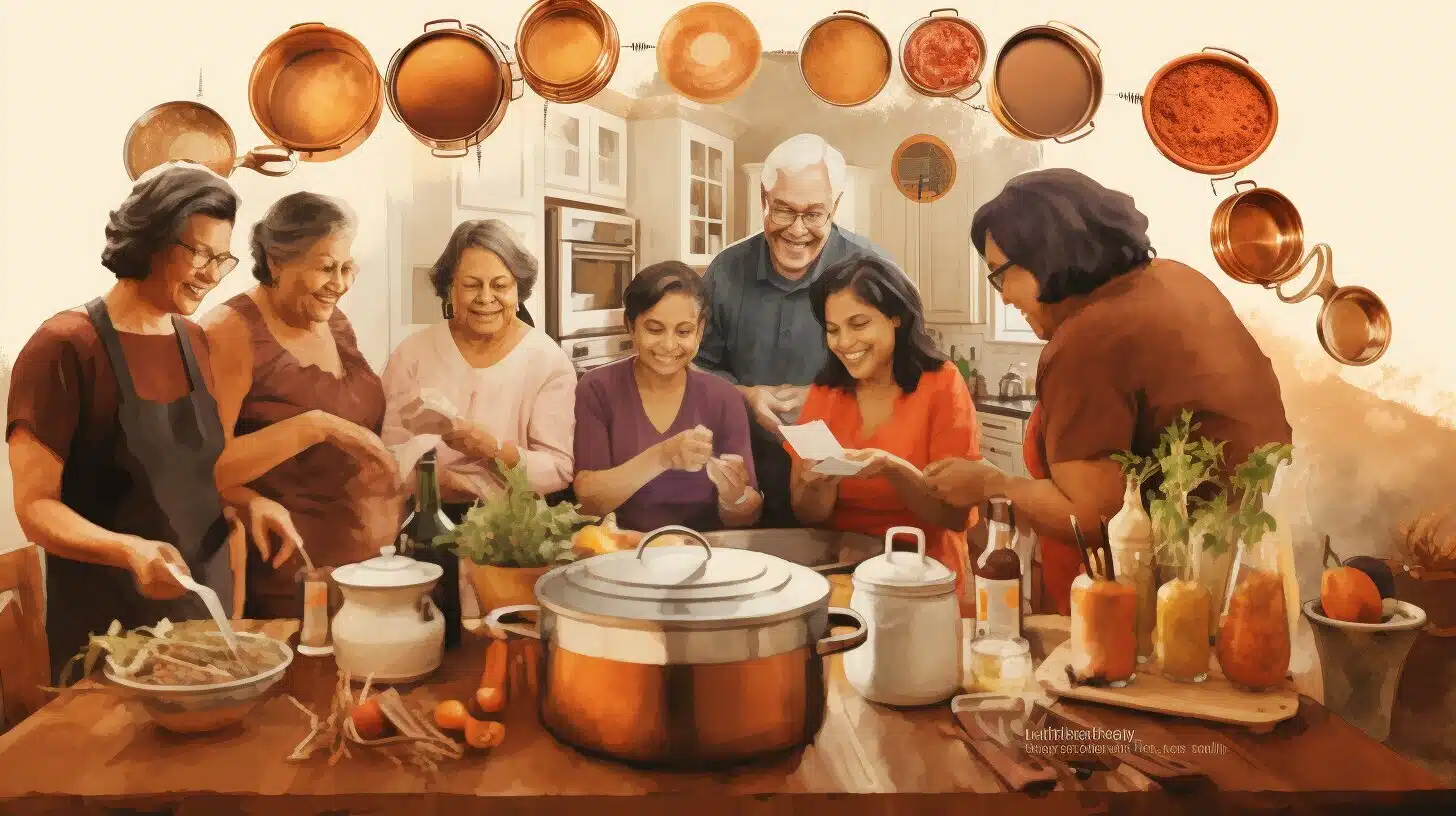
In many societies, cooking knowledge is transmitted within families and communities rather than formal institutions. Techniques are learned through participation, sensory awareness, and memory. Measurements are often intuitive, and timing is guided by sound, smell, and texture rather than written instruction.
This form of knowledge transfer reinforces social bonds and preserves cultural continuity. Elders play a central role in teaching younger generations, ensuring that techniques survive despite changes in lifestyle, technology, and geography.

Steaming as a Gentle and Efficient Method
Steaming is one of the most widely preserved cooking methods, particularly in East and Southeast Asia. This technique uses vapor rather than direct contact with heat, allowing food to cook evenly while retaining moisture, texture, and nutritional value.
Bamboo steamers, layered baskets, and covered pots enabled families to prepare multiple foods simultaneously using limited fuel. Over time, steaming became closely associated with staple foods such as rice, dumplings, vegetables, and fish, shaping everyday diets across entire regions.

Grilling and Open-Fire Cooking
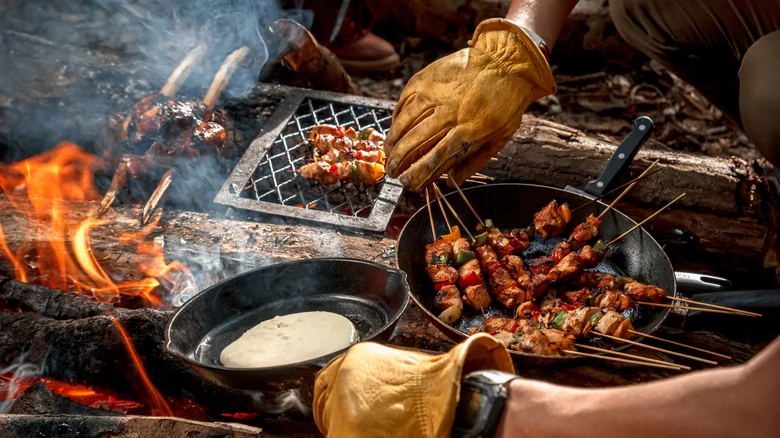
Grilling is among humanity’s earliest cooking methods, originating with the controlled use of fire. Direct exposure to heat produces distinctive flavors through browning and charring, making grilling both practical and sensory-rich.
Across cultures, grilling evolved into both daily practice and ceremonial tradition. Skewered meats, roasted vegetables, and whole-animal cooking remain central to communal gatherings, reinforcing social connection through shared preparation and consumption.

Roasting and Oven-Based Techniques
Roasting developed alongside enclosed cooking spaces such as clay ovens, pit ovens, and stone hearths. Unlike grilling, roasting allows heat to circulate evenly around food, making it suitable for grains, vegetables, and large cuts of meat.
Many traditional ovens were built as permanent community structures, reinforcing collective responsibility and shared access. Roasted foods often became associated with festivals, seasonal rituals, and significant life events.
Braising and Slow Cooking Traditions
Braising combines dry and moist heat, typically beginning with searing followed by slow cooking in liquid. This method emerged as a way to make tougher ingredients edible while extracting maximum flavor from minimal resources.
Slow-cooked stews, soups, and casseroles appear in nearly every food culture. These dishes are often prepared over extended periods, aligning cooking with daily rhythms and emphasizing patience and attentiveness.

Continuity in a Changing World
Despite technological advancement, traditional cooking methods continue to endure. Modern kitchens often replicate ancestral techniques using contemporary tools, preserving flavor and cultural meaning while adapting to new lifestyles.
Renewed interest in sustainability, heritage, and regional identity has led many communities to actively preserve these methods. Cooking passed through generations remains a vital link between past and present.
Conclusion
Cooking methods passed through generations represent more than culinary techniques—they are living records of human adaptation, cooperation, and creativity. Steaming, grilling, roasting, and braising reflect how societies responded to environmental challenges while preserving cultural identity. Together, these methods form a shared global heritage that continues to shape how people cook, eat, and connect.
Leave a Reply