
Essential Ingredients Spotlight
Ingredients are the fundamental building blocks of every cuisine. Long before complex recipes and modern cooking techniques emerged, human societies relied on locally available ingredients to sustain daily life. Over time, these raw materials became deeply embedded in cultural traditions, culinary identities, and regional food systems.
Understanding essential ingredients offers insight into how societies interact with their environment. Soil composition, climate patterns, water access, and trade routes all influence which ingredients thrive in a region. This article explores key ingredients used across the world, examining their origins, culinary roles, and cultural significance from a neutral, encyclopedic perspective.
Ingredients as Cultural Foundations
Ingredients often define the character of a cuisine more than individual recipes. Staple foods such as rice, wheat, maize, and tubers provide nutritional stability and form the backbone of daily meals. These staples shape cooking methods, meal structures, and even social customs.
Beyond sustenance, ingredients carry symbolic meaning. Certain foods are associated with ritual, celebration, or seasonal change. Their preparation and consumption reinforce shared identity and cultural continuity across generations.

Grains and Staple Crops
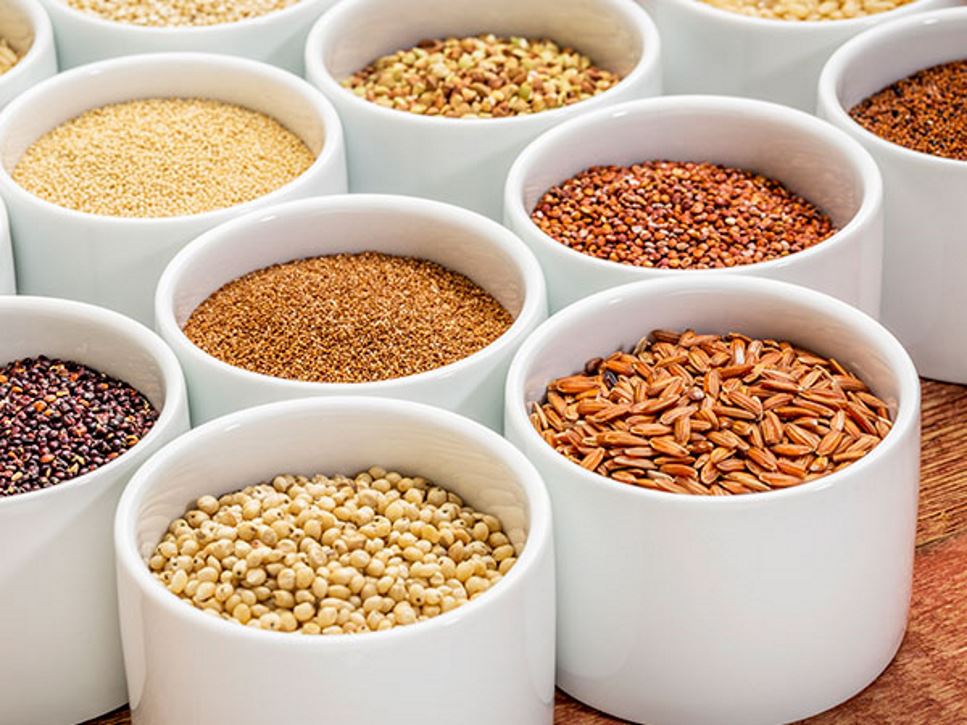
Grains are among the most influential ingredients in human history. Rice dominates much of Asia, shaping agricultural systems and culinary traditions. Wheat forms the basis of bread and pasta across Europe and the Middle East, while maize remains central to many cuisines in the Americas.
These crops are valued not only for their caloric density but also for their adaptability. Different processing methods such as milling, fermenting, and steaming allow grains to take on diverse forms while remaining culturally recognizable.
The widespread use of grains illustrates how food systems evolve to meet both nutritional needs and social organization, supporting population growth and urban development.
Vegetables and Legumes
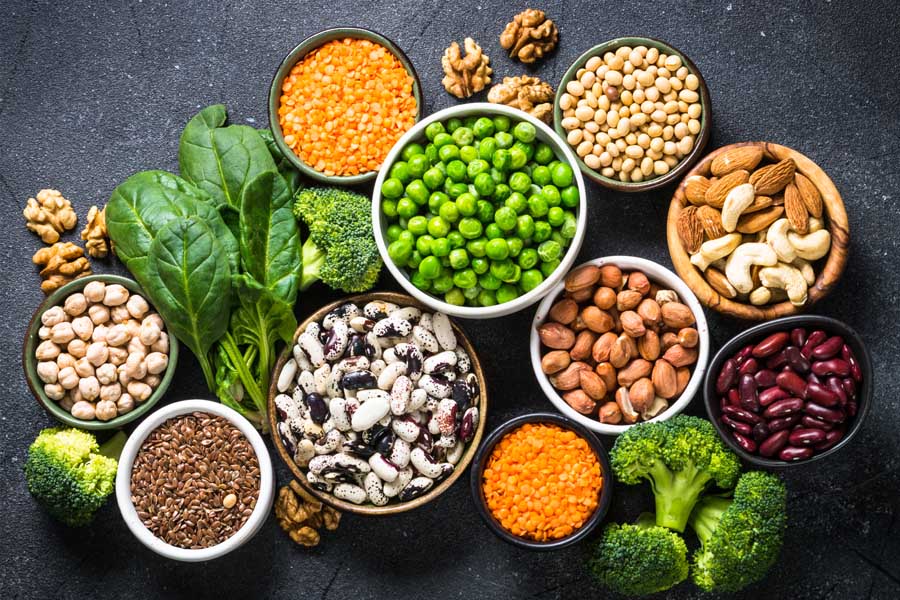
Vegetables and legumes provide essential vitamins, minerals, and plant-based protein. Their role varies widely across cuisines, from supporting ingredients to central components of meals. Seasonal availability often determines how vegetables are prepared and preserved.
Legumes such as lentils, chickpeas, and beans are especially important in regions where meat is limited or culturally restricted. They contribute to dietary balance while supporting sustainable agricultural practices.
The cultivation of vegetables reflects local ecosystems and farming knowledge, reinforcing the connection between food and environmental stewardship.
Animal-Based Ingredients
Animal-based ingredients such as meat, dairy, and seafood play varied roles depending on geography and cultural values. Coastal regions often rely heavily on fish and shellfish, while pastoral societies emphasize dairy and livestock.
Preservation techniques including curing, drying, and fermentation allowed animal products to be stored and transported long before refrigeration. These methods influenced flavor development and gave rise to iconic regional foods.
The ethical, environmental, and nutritional considerations surrounding animal- based ingredients continue to shape modern culinary discourse worldwide.

Spices, Herbs, and Flavoring Agents
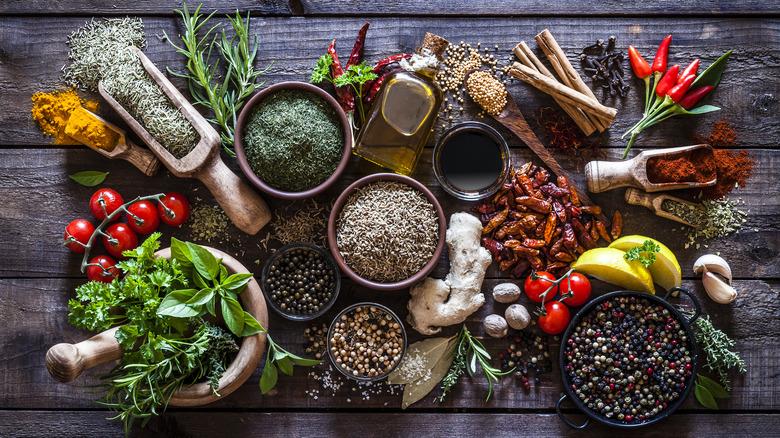
Spices and herbs have historically driven exploration, trade, and cultural exchange. Ingredients such as pepper, cinnamon, turmeric, and cloves traveled across continents, reshaping cuisines and economies alike.
Flavoring agents enhance food while also serving medicinal, preservative, and symbolic roles. Their careful use reflects culinary philosophy, balancing taste, aroma, and visual appeal.
Global Trade and Ingredient Exchange
The movement of ingredients across regions transformed local cuisines. Tomatoes, chilies, and potatoes reshaped European and Asian cooking despite originating in the Americas. These exchanges demonstrate how food adapts through cultural contact.
Modern globalization continues this process, increasing ingredient access while raising questions about sustainability, authenticity, and cultural ownership.
Conclusion
Essential ingredients provide a framework for understanding global food systems. They reveal how cultures adapt to environment, preserve knowledge, and express identity through cuisine. Examined carefully, ingredients offer a deeper appreciation of food as both nourishment and cultural heritage.
Leave a Reply