
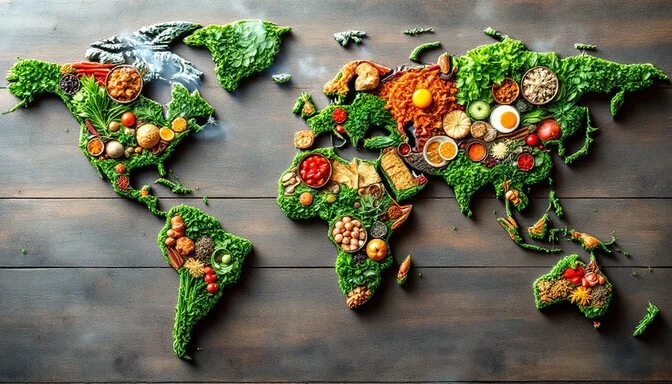
How Geography Shapes Regional Cuisines
Food traditions do not develop in isolation. They are shaped by geography, climate, landscape, and access to natural resources. From mountain villages to coastal settlements, regional cuisines emerge as practical responses to environmental conditions while evolving into deeply symbolic cultural systems.
Geography influences what ingredients are available, how food is preserved, and which cooking methods are favored. Over time, these environmental factors shape distinct culinary identities that reflect both survival strategies and cultural expression. This article examines how geography has historically shaped regional cuisines across the world.
Climate and Ingredient Availability
Climate is one of the most influential factors in determining regional diets. Temperature, rainfall, and seasonal patterns dictate what crops can be grown and which animals can be raised. In colder regions, diets historically emphasized preserved foods, fats, and hearty grains to sustain energy through long winters.
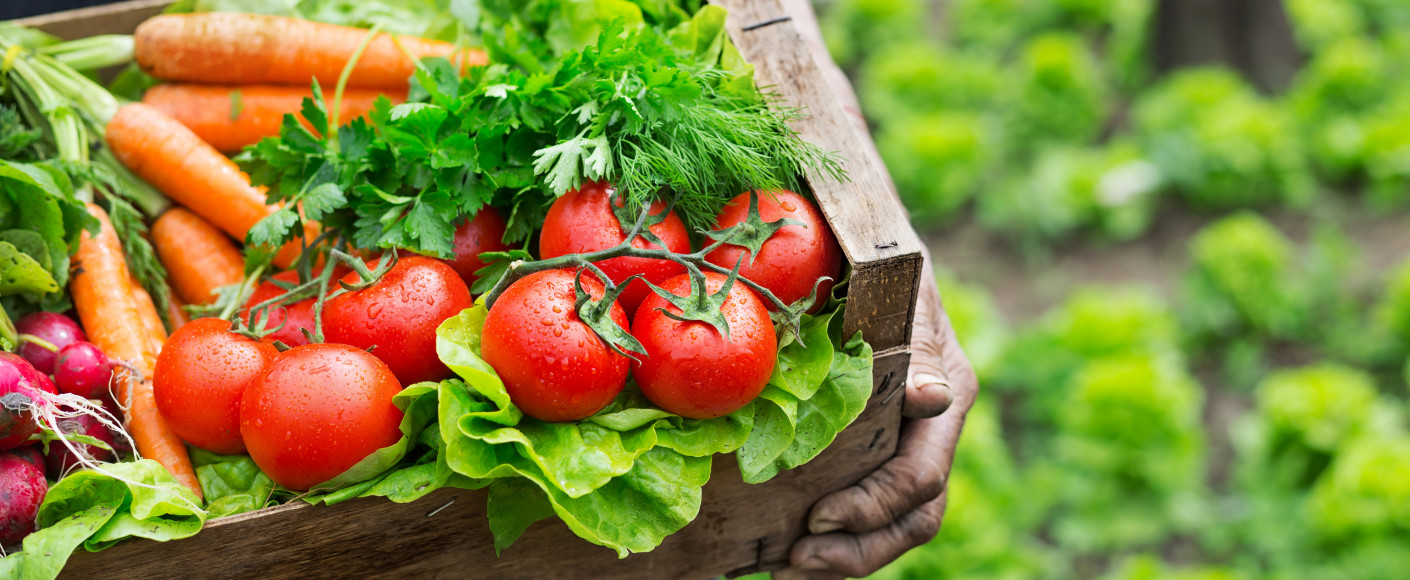
In contrast, tropical and subtropical regions benefit from year-round growing seasons. These environments support fresh fruits, vegetables, spices, and root crops, resulting in cuisines that emphasize freshness, variety, and complex flavor combinations.
Coastal Regions and Maritime Diets
Communities located near oceans, rivers, and lakes have historically relied on fishing and seafood as primary food sources. Coastal cuisines often feature fish, shellfish, seaweed, and salt-based preservation techniques.
Methods such as drying, smoking, and curing developed to extend the shelf life of seafood. These techniques not only ensured survival but also shaped distinctive regional flavors that remain central to coastal food cultures today.
Access to maritime trade routes further expanded ingredient diversity, introducing spices and preservation methods that enriched coastal culinary traditions.

Mountainous and Inland Regions
Mountainous and inland regions often face limited agricultural diversity due to altitude, rocky terrain, and shorter growing seasons. As a result, cuisines in these areas emphasize durable crops such as grains, legumes, and hardy vegetables.
Animal husbandry plays a significant role in inland diets, providing meat, dairy, and fats. Techniques such as fermentation, drying, and aging became essential for preserving food through seasonal scarcity.
These cuisines often feature slow-cooked dishes designed to maximize nutrition and flavor from limited resources.

Soil, Terrain, and Flavor Profiles
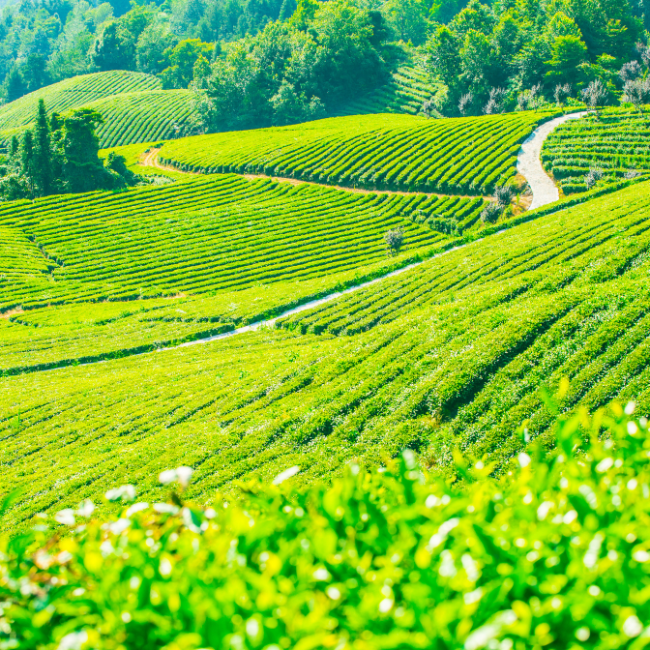
Soil composition and terrain directly affect crop quality and flavor. Volcanic soils, river deltas, and fertile plains produce distinct agricultural outputs that influence regional taste profiles.
Regions with mineral-rich soil often produce robust vegetables and grains, while arid landscapes promote drought-resistant crops. Over generations, these ingredients become central to local identity and culinary pride.
Geography and Cultural Adaptation
Human migration, trade, and cultural exchange interact with geography to further shape cuisines. As people adapt traditional recipes to new environments, food evolves while retaining cultural memory.
These adaptations demonstrate how geography does not limit culinary creativity, but rather guides it. Regional cuisines represent ongoing dialogues between environment, culture, and history.
Conclusion
Geography provides the foundation upon which regional cuisines are built. Climate, terrain, and natural resources influence ingredient availability, cooking methods, and preservation strategies. Together, these factors shape food traditions that reflect both environmental adaptation and cultural identity.
Understanding the geographic roots of cuisine allows us to appreciate food not only as nourishment, but as a living record of human interaction with the natural world.
Leave a Reply