
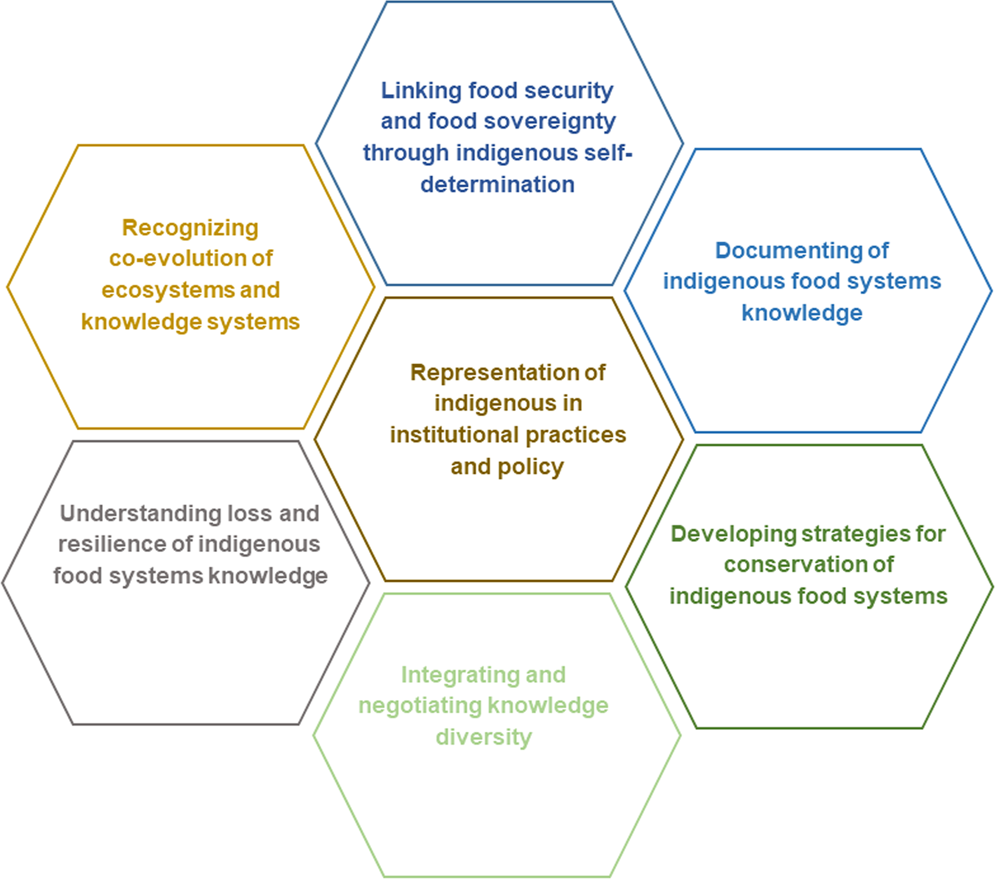
Indigenous Food Knowledge Systems
Indigenous food knowledge systems represent some of the oldest and most resilient culinary traditions in human history. Developed through long-term observation, experimentation, and adaptation, these systems reflect deep relationships between communities and their local environments. Rather than relying on written recipes, indigenous food practices are often transmitted orally and experientially across generations.
These knowledge systems extend beyond cooking techniques to include land management, seasonal awareness, biodiversity preservation, and sustainable harvesting. Across continents, indigenous communities have maintained food practices that prioritize balance, resilience, and respect for natural cycles.
Food as Ecological Knowledge
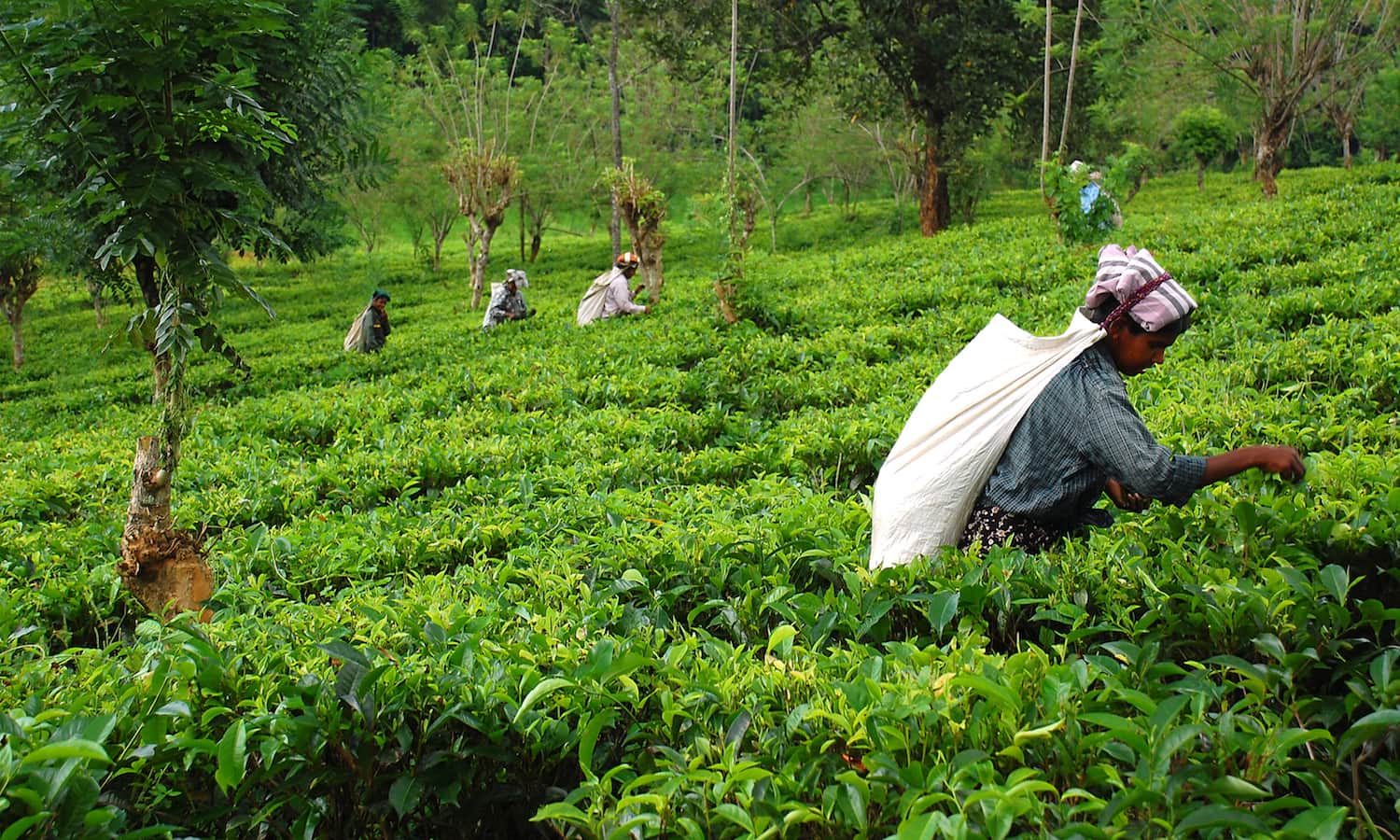
Indigenous food systems are deeply ecological. Ingredients are selected based on their adaptability to local climates, soils, and ecosystems. Knowledge of edible plants, wild grains, roots, and animal behavior allows communities to sustain themselves without depleting natural resources.
This ecological understanding is cumulative, built through centuries of close interaction with land and water systems. Food gathering and cultivation methods are often designed to regenerate environments rather than dominate them.
Oral Transmission and Community Learning
Unlike modern culinary education, indigenous food knowledge is typically shared through storytelling, demonstration, and participation. Elders play a central role in teaching younger generations how to identify ingredients, prepare foods, and understand seasonal patterns.
Cooking is often a communal activity, reinforcing social bonds while preserving practical knowledge. Through repeated participation, individuals learn not only how to cook, but why specific methods and ingredients matter.
This form of learning ensures flexibility and adaptation, allowing traditions to evolve without losing their foundational principles.

Sustainable Harvesting and Seasonal Eating
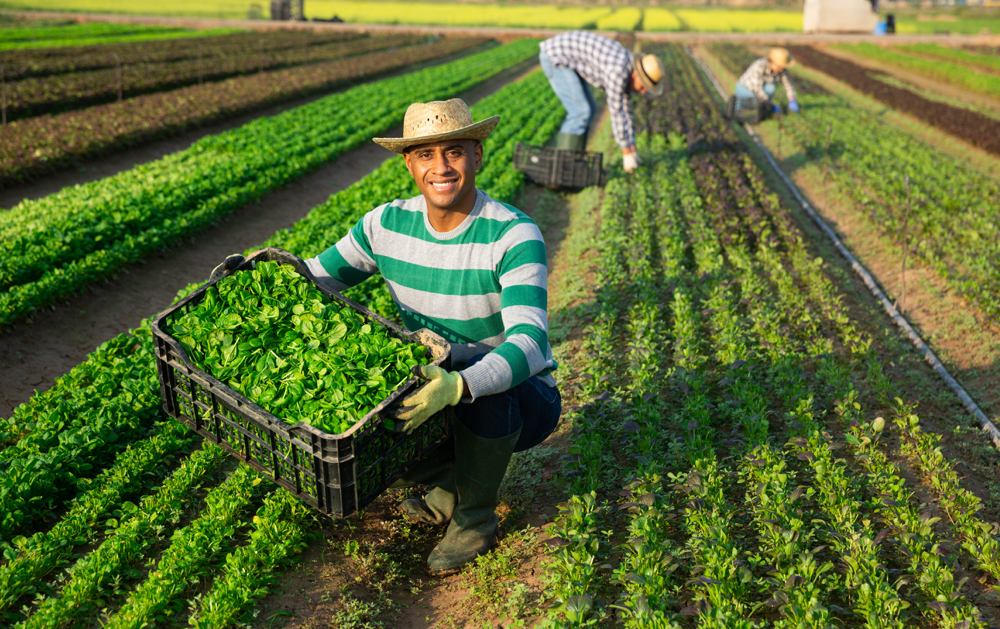
Seasonality plays a central role in indigenous diets. Foods are consumed when they are naturally abundant, reducing the need for long-term storage or environmental manipulation. This seasonal rhythm supports nutritional diversity and ecological balance.
Harvesting practices are guided by ethical principles that limit overuse. Many communities follow rules that dictate when, how, and how much can be harvested, ensuring long-term food security.
These principles contrast sharply with industrial food systems, offering alternative models for sustainable consumption.
Preservation Techniques and Resource Efficiency
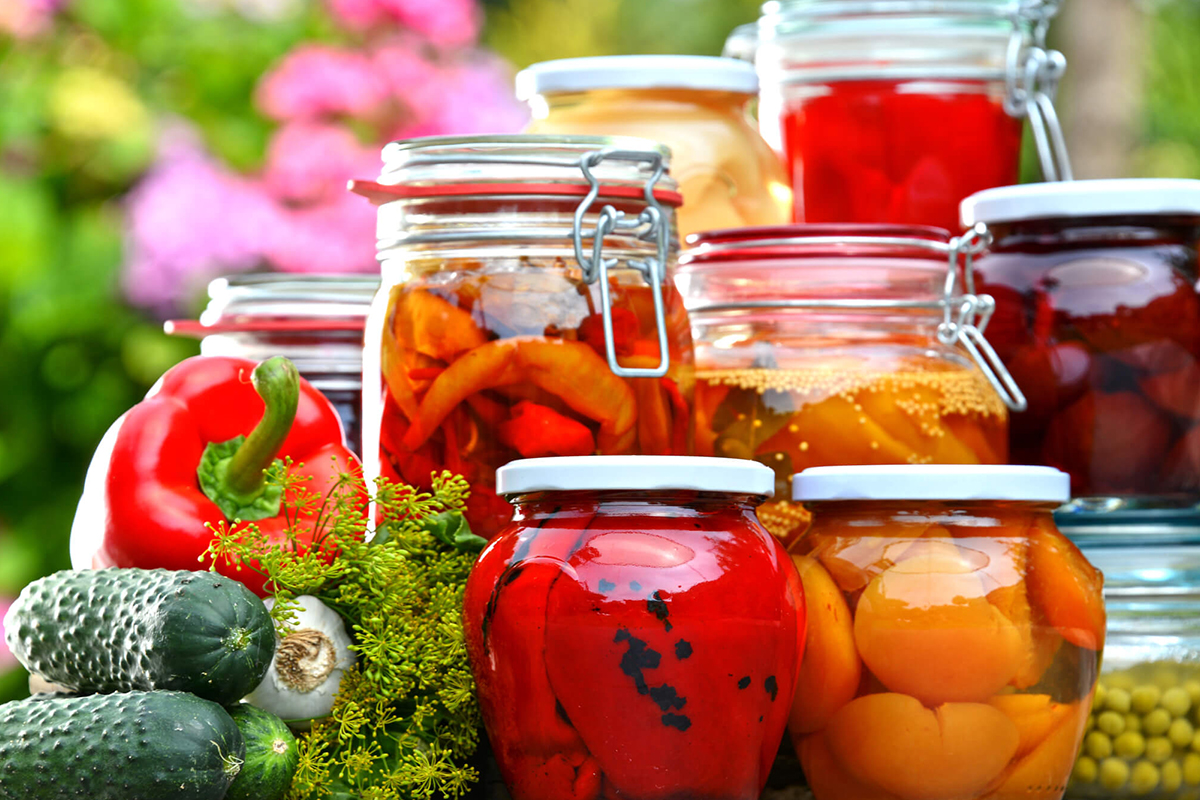
Indigenous communities developed preservation methods suited to their environments long before refrigeration. Drying, smoking, fermenting, and sun curing were used to extend food availability through periods of scarcity.
These methods were not merely functional but often enhanced flavor and digestibility. Preservation techniques reflect a deep understanding of microbiology, moisture control, and temperature—even without scientific terminology.
Resource efficiency is a defining feature of these systems. Entire plants or animals are often utilized, minimizing waste and honoring the value of food.
Cultural Identity and Food Sovereignty
Food is a central expression of cultural identity for indigenous communities. Recipes, ingredients, and preparation methods are closely tied to language, ceremony, and social structure.
In recent decades, indigenous food knowledge has gained renewed attention through movements focused on food sovereignty. These efforts seek to protect traditional practices from displacement and promote self-determination in food systems.
Preserving indigenous food knowledge supports not only cultural survival but also broader conversations about sustainability, resilience, and ethical consumption.
Conclusion
Indigenous food knowledge systems offer a comprehensive framework for understanding food as more than sustenance. They integrate ecology, culture, ethics, and community into cohesive practices shaped by long-term experience.
As global food systems face challenges related to climate change and resource scarcity, indigenous culinary knowledge provides valuable insights into sustainable and respectful ways of nourishing both people and the planet.
Leave a Reply