
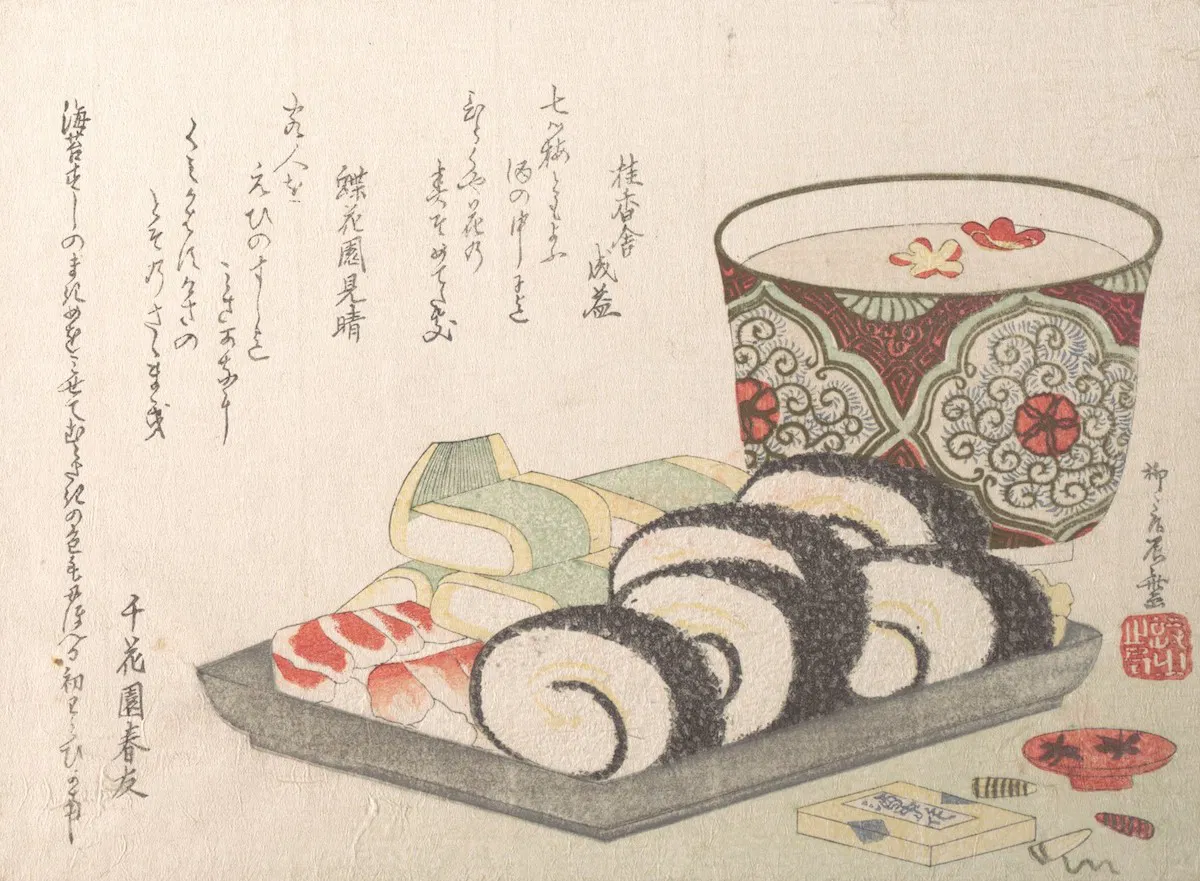
The Origins of Sushi: Japan’s Culinary Identity
Sushi is widely recognized as one of Japan’s most iconic culinary traditions, yet its origins are rooted not in luxury dining but in survival. What began as a practical method of food preservation gradually evolved into a refined food culture that reflects Japanese values of balance, precision, seasonality, and respect for natural ingredients.
Over centuries, sushi transformed alongside changes in technology, urban life, and social structure. This article explores how sushi emerged, how it adapted to regional conditions, and how it became a defining symbol of Japanese cuisine and cultural identity.
Early Origins: Preservation Before Cuisine
The earliest form of sushi dates back over a thousand years and originated as a method of preserving fish rather than a prepared dish. Freshwater fish were salted and packed in fermented rice, allowing the fish to be stored for long periods. The rice itself was discarded, serving only as a fermentation medium.
This technique, known as narezushi, spread across East and Southeast Asia and eventually reached Japan. In an era without refrigeration, fermentation was essential for survival, particularly in regions dependent on river and coastal fishing.

Geography and Access to Fresh Fish
Japan’s island geography played a critical role in sushi’s evolution. With extensive coastlines and abundant marine resources, fish became a central dietary component. Coastal communities developed methods to consume fish fresher and faster, reducing reliance on long fermentation.
As transportation improved, fish could reach inland populations more quickly. This shift allowed rice and fish to be eaten together, marking an important transition from preservation to cuisine.
Regional variations emerged based on local fish species, water conditions, and access to rice, shaping distinct sushi traditions across Japan.

Urbanization and the Birth of Modern Sushi
The development of modern sushi is closely tied to urban growth during the Edo period (1603–1868). As cities expanded, particularly Edo (modern Tokyo), demand grew for quick, affordable meals suited to busy urban populations.
Nigiri sushi emerged as a response to this demand. Vinegared rice topped with fresh fish could be prepared quickly and eaten by hand, making it an early form of fast food. This innovation transformed sushi into a widely accessible urban staple.
The introduction of rice vinegar shortened preparation time and eliminated the need for fermentation, further accelerating sushi’s popularity.
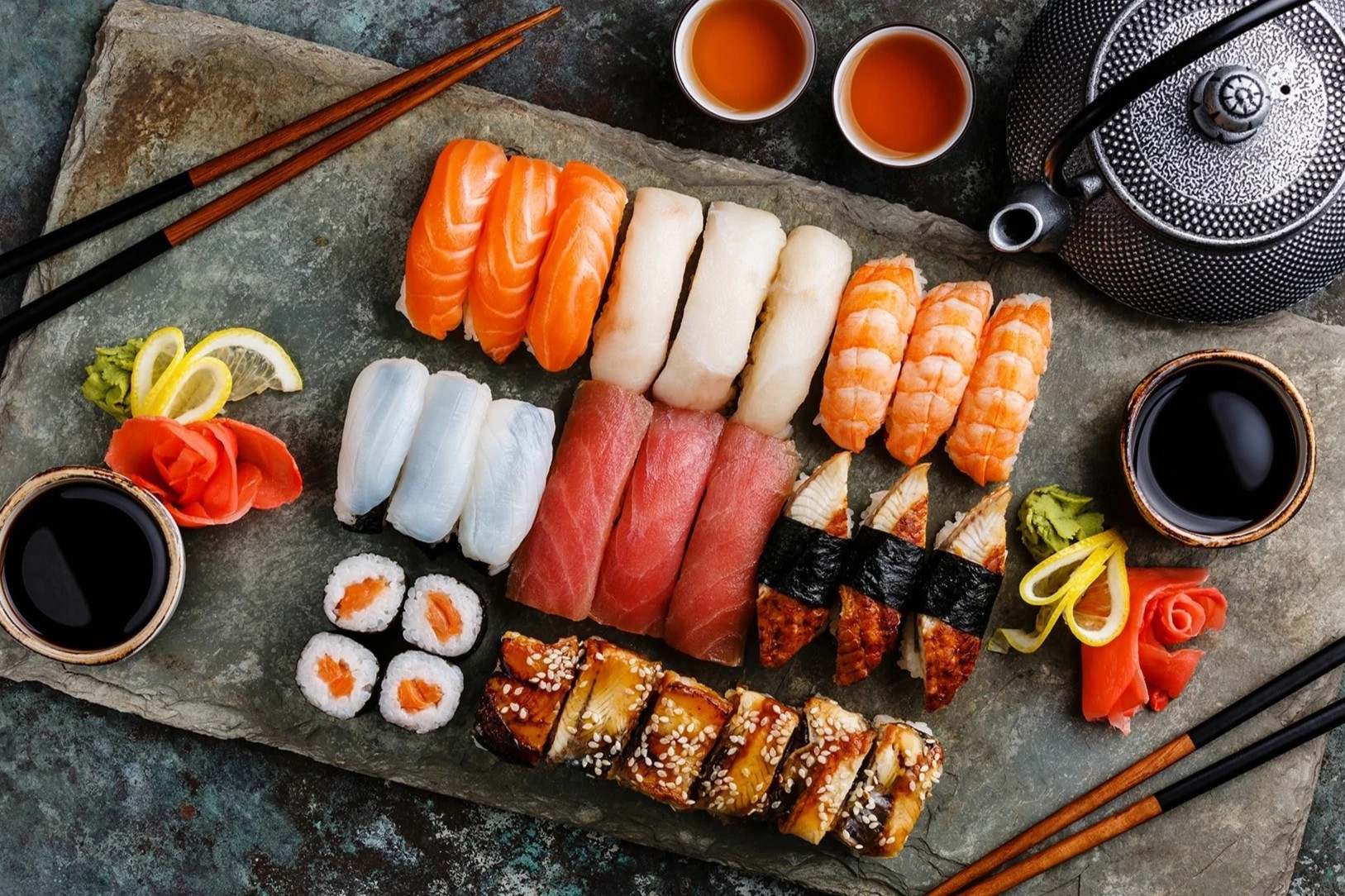
Cultural Values Embedded in Sushi
Sushi reflects core Japanese cultural principles, including simplicity, seasonality, and craftsmanship. Ingredients are selected based on freshness and seasonal availability, emphasizing harmony with nature rather than excess.
Preparation requires technical skill and years of training. Knife technique, rice temperature, and ingredient balance are treated with precision, reinforcing the cultural value placed on mastery and discipline.
Sushi is also deeply tied to social etiquette, presentation, and respect for ingredients, transforming a simple meal into a cultural expression.

Global Spread and Cultural Preservation
In the twentieth century, sushi expanded beyond Japan, adapting to new environments and tastes. While international variations emerged, traditional sushi remains rooted in Japanese culinary philosophy.
Efforts to preserve traditional techniques continue through apprenticeship, regional documentation, and cultural education, ensuring sushi’s historical foundations are not lost amid globalization.
Conclusion
Sushi’s journey from fermented preservation method to global culinary symbol reflects Japan’s historical adaptation to environment, urbanization, and cultural values. More than a dish, sushi represents a living tradition shaped by geography, necessity, and collective knowledge.
Understanding sushi’s origins provides insight into how food becomes a cultural archive—preserving history, identity, and human ingenuity through everyday practice.
Leave a Reply