
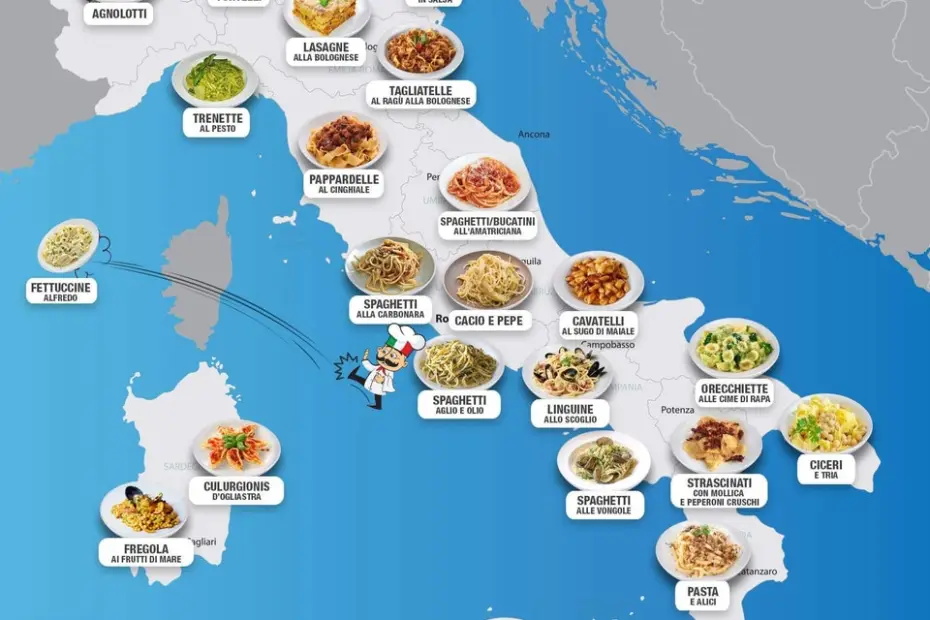
Pasta and the Culinary Identity of Italy
Few foods are as closely associated with a nation as pasta is with Italy. More than a single dish, pasta represents a foundational element of Italian daily life, regional identity, and historical continuity. Its evolution reflects centuries of agricultural adaptation, social structure, and cultural exchange.
While pasta today appears in countless forms across the globe, its significance in Italy lies not in uniformity but in regional diversity. This article explores how pasta developed, how it became a defining element of Italian cuisine, and why it continues to function as a cultural symbol rather than merely a meal.
Early Origins and Historical Development
The origins of pasta are complex and often misunderstood. While popular myths link pasta to ancient China, historical evidence suggests that early forms of dried and boiled dough existed independently across the Mediterranean world. In Italy, pasta-like preparations emerged as early as ancient Roman times.
Romans consumed dishes made from wheat dough, often layered or boiled, that resemble early ancestors of modern pasta. These foods were practical, nutritionally dense, and adaptable to local ingredients.
The Role of Geography and Agriculture
Italy’s climate and geography played a decisive role in pasta’s development. Southern regions, particularly Sicily and Campania, were well suited for cultivating durum wheat-a grain ideal for producing dried pasta.
The ability to dry pasta allowed it to be stored, transported, and consumed year-round. This characteristic made pasta especially valuable in regions facing periodic food scarcity and supported its spread across the peninsula.
In northern Italy, where softer wheat varieties and colder climates prevailed, fresh egg-based pasta became more common. These regional differences shaped Italy’s extraordinary diversity of pasta forms.
Pasta as a Regional Expression
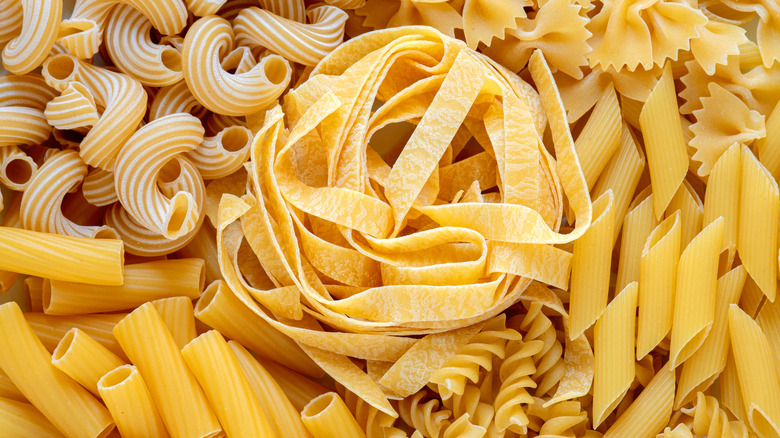
Pasta in Italy is deeply regional. Shapes, sauces, and preparation methods vary from village to village, often reflecting local history, available ingredients, and social traditions. These distinctions are not arbitrary but evolved through generations of practice.
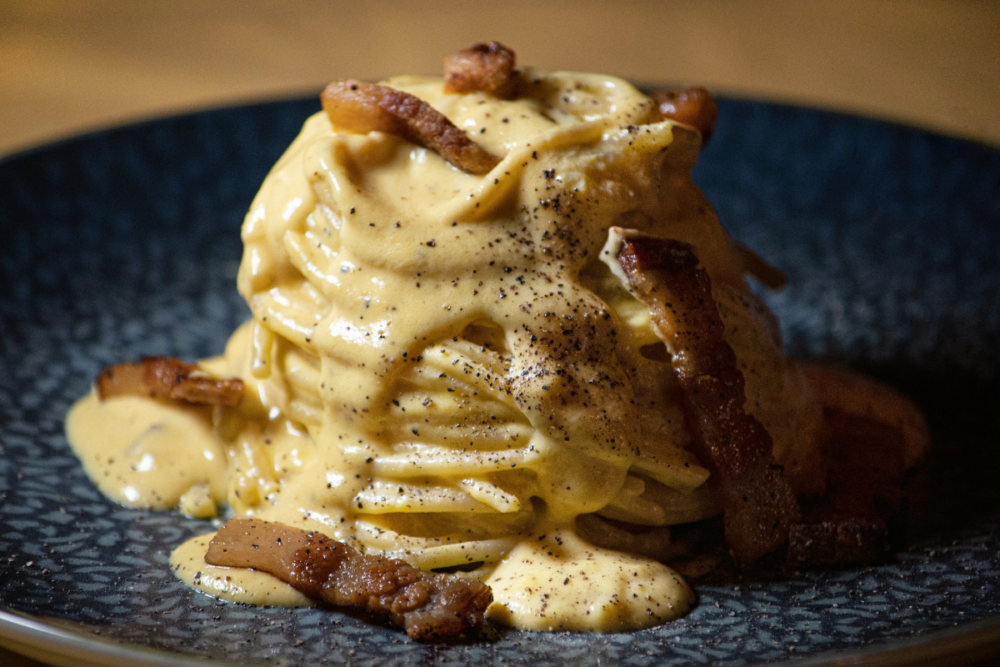
Long pasta shapes such as spaghetti are traditionally paired with oil-based or tomato sauces, while stuffed pastas like tortellini and ravioli developed in regions where dairy and meat were more accessible.
Each pairing represents a balance between texture, flavor, and cultural habit, reinforcing pasta’s role as a marker of place.
/images.kitchenstories.io/wagtailOriginalImages/A868-ballarini-pasta-guide-EN.png)
Pasta in Social and Cultural Life
Pasta is embedded in Italian social structure. It appears in everyday meals, family gatherings, and ceremonial occasions, serving as both nourishment and a medium of connection. Meals centered around pasta often emphasize shared time rather than speed or convenience.
The preparation of pasta-especially fresh pasta-has traditionally been a communal activity. Skills were passed down orally and through observation, reinforcing family bonds and cultural continuity.

Global Spread and Preservation of Identity
Italian migration in the late nineteenth and early twentieth centuries carried pasta traditions abroad. As Italians settled in the Americas and beyond, pasta adapted to new ingredients while retaining its symbolic connection to home.
While international variations emerged, regional authenticity remains highly valued within Italy. Protected designations, traditional recipes, and local food movements continue to safeguard pasta’s cultural integrity.
Conclusion
Pasta is more than Italy’s most recognizable food-it is a cultural framework shaped by history, geography, and shared knowledge. Its endurance lies in its adaptability and its deep integration into everyday life.
By examining pasta’s origins and evolution, we gain insight into how food functions as a living archive of human experience, preserving identity through practice, memory, and taste.
Leave a Reply