
Staple Foods and Survival Across Civilizations
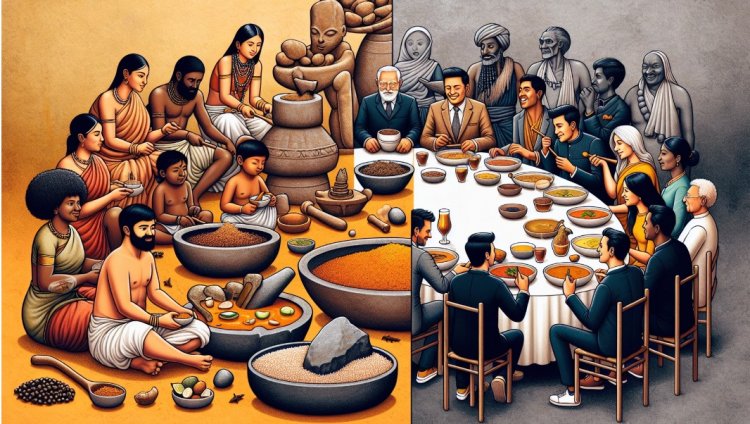
Staple foods form the foundation of human survival and societal development. Long before global trade and industrial agriculture, civilizations relied on a small number of dependable crops to sustain populations. These foods provided consistent calories, supported labor-intensive societies, and enabled long-term settlement.
Across history, staple foods shaped migration patterns, economic systems, and cultural identity. From rice paddies in Asia to maize fields in the Americas, staple crops reflect deep relationships between humans, land, and climate. This article explores how staple foods emerged, spread, and supported civilizations across different regions of the world.
What Defines a Staple Food?
A staple food is one that is consumed regularly and in sufficient quantities to constitute a dominant portion of a population’s diet. These foods are typically rich in carbohydrates, relatively easy to cultivate or store, and adaptable to local environmental conditions.
Staples often form the base of daily meals, complemented by vegetables, proteins, and fats when available. Their reliability made them essential for food security, particularly in societies vulnerable to climate fluctuations or limited resources.

Grains as the Backbone of Early Societies
Grains were among the first domesticated crops and became central to early agricultural societies. Wheat and barley supported civilizations in the Fertile Crescent, while rice cultivation shaped societies across East and Southeast Asia.
The cultivation of grains enabled surplus production, which in turn supported population growth, specialization of labor, and the rise of urban centers. Storage techniques such as granaries allowed societies to withstand seasonal shortages and environmental stress.
Grain-based foods such as bread, porridge, noodles, and flatbreads became cultural constants, reflecting regional preferences and preparation methods.

Rice and Wet Agriculture
Rice cultivation required coordinated labor, irrigation systems, and seasonal planning. In regions of Asia, wet rice agriculture fostered communal organization and long-term land management.
Rice provided high caloric yield per hectare, making it ideal for densely populated regions. Over time, it became deeply embedded in social rituals, language, and religious symbolism.
Different varieties of rice adapted to local climates, from flood-prone plains to upland terraces, demonstrating the crop’s flexibility and resilience.

Maize and the Civilizations of the Americas
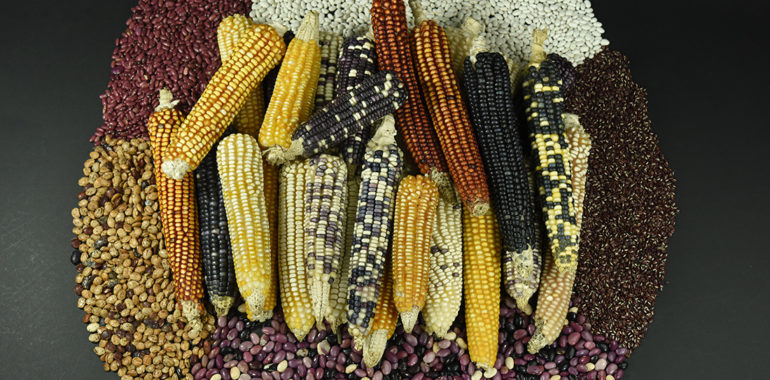
Maize, or corn, played a central role in the development of civilizations across Mesoamerica and North America. Indigenous societies selectively bred maize from wild grasses into a highly productive and versatile crop.
Maize supported complex societies such as the Maya and Aztec, forming the basis of daily nutrition and ceremonial life. It was consumed in various forms, including ground dough, porridges, and flatbreads.
Beyond nutrition, maize held spiritual significance, often associated with creation myths and agricultural cycles.
Roots, Tubers, and Survival Foods
In regions where grain cultivation was limited, root crops such as potatoes, cassava, and yams became vital staples. These crops often thrived in poor soils and challenging climates.
The potato, introduced to Europe from South America, dramatically improved food security due to its high yield and nutritional density. Similarly, cassava sustained populations in parts of Africa and South America.
Root crops often served as insurance against famine, providing reliable calories even during environmental stress.

Staple Foods and Cultural Stability
Staple foods did more than sustain bodies; they stabilized societies. Reliable food sources reduced conflict over resources and enabled long-term planning. Food systems influenced governance, trade, and social hierarchy.
Rituals, festivals, and culinary traditions often revolve around staple foods, reinforcing shared identity and collective memory. Even today, many societies define meals around their historical staples.
Conclusion
Staple foods represent the intersection of survival, environment, and culture. Their development enabled civilizations to grow, adapt, and endure across centuries. By studying staple foods, we gain insight into how human societies responded to scarcity, shaped landscapes, and built cultural continuity through everyday nourishment.
Leave a Reply