
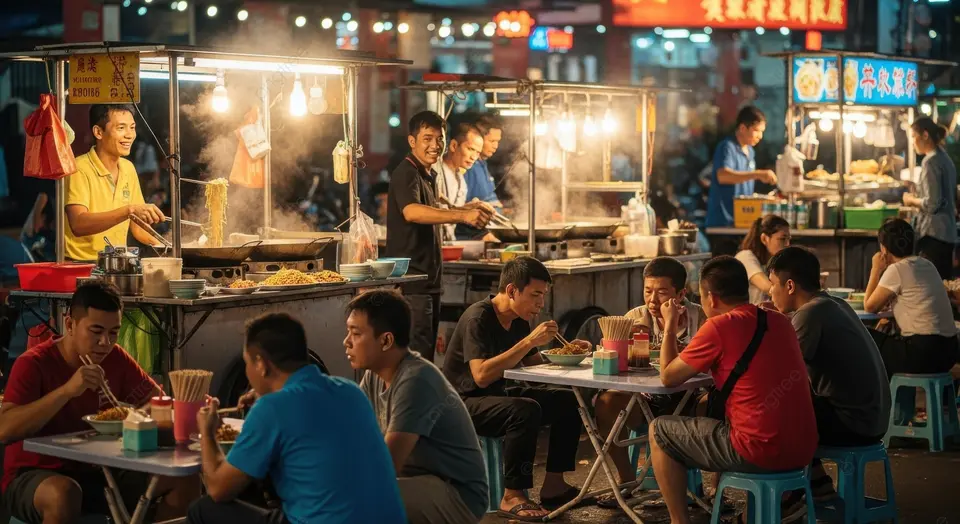
Street Food as a Reflection of Urban Life
Street food represents one of the most immediate and accessible forms of food culture. Found in markets, sidewalks, transit hubs, and informal gathering spaces, street food reflects the rhythms of daily urban life. It emerges where people work, travel, and socialize, offering affordable nourishment shaped by local conditions and social structures.
Across civilizations, street food has developed as a response to population density, labor patterns, migration, and economic necessity. This article explores how street food traditions reveal the organization of cities, the movement of people, and the cultural creativity that defines urban environments worldwide.
Urban Density and the Rise of Street Food
As cities expanded, not all residents had access to private kitchens or sufficient cooking space. Street food emerged as a practical solution, providing prepared meals to workers, travelers, and residents living in dense urban settings.
In many historical cities, street vendors filled the gap between home cooking and formal dining establishments. Their presence allowed people to eat quickly and affordably while remaining close to workplaces and commercial centers.

Street Food and Labor Culture
Street food is closely linked to labor systems. Dock workers, factory employees, traders, and transport workers often rely on quick, filling meals that fit within limited breaks and irregular schedules. Vendors adapt offerings to these needs, prioritizing portability and efficiency.
Many street foods are designed to be eaten by hand, minimizing utensils and seating requirements. This functional design reflects the demands of urban labor and the necessity of mobility.
Over time, certain foods became strongly associated with specific professions or neighborhoods, embedding street food within the social fabric of cities.

Migration and Cultural Exchange
Cities act as points of convergence for migrants, and street food often reflects this diversity. Migrant communities introduce ingredients, techniques, and flavors from their places of origin, adapting them to new environments and available resources.
These adaptations give rise to hybrid dishes that blend multiple culinary traditions. Over time, such foods become emblematic of the city itself rather than any single culture.
Street food thus serves as a record of migration patterns, documenting how cultures interact and evolve within shared urban spaces.
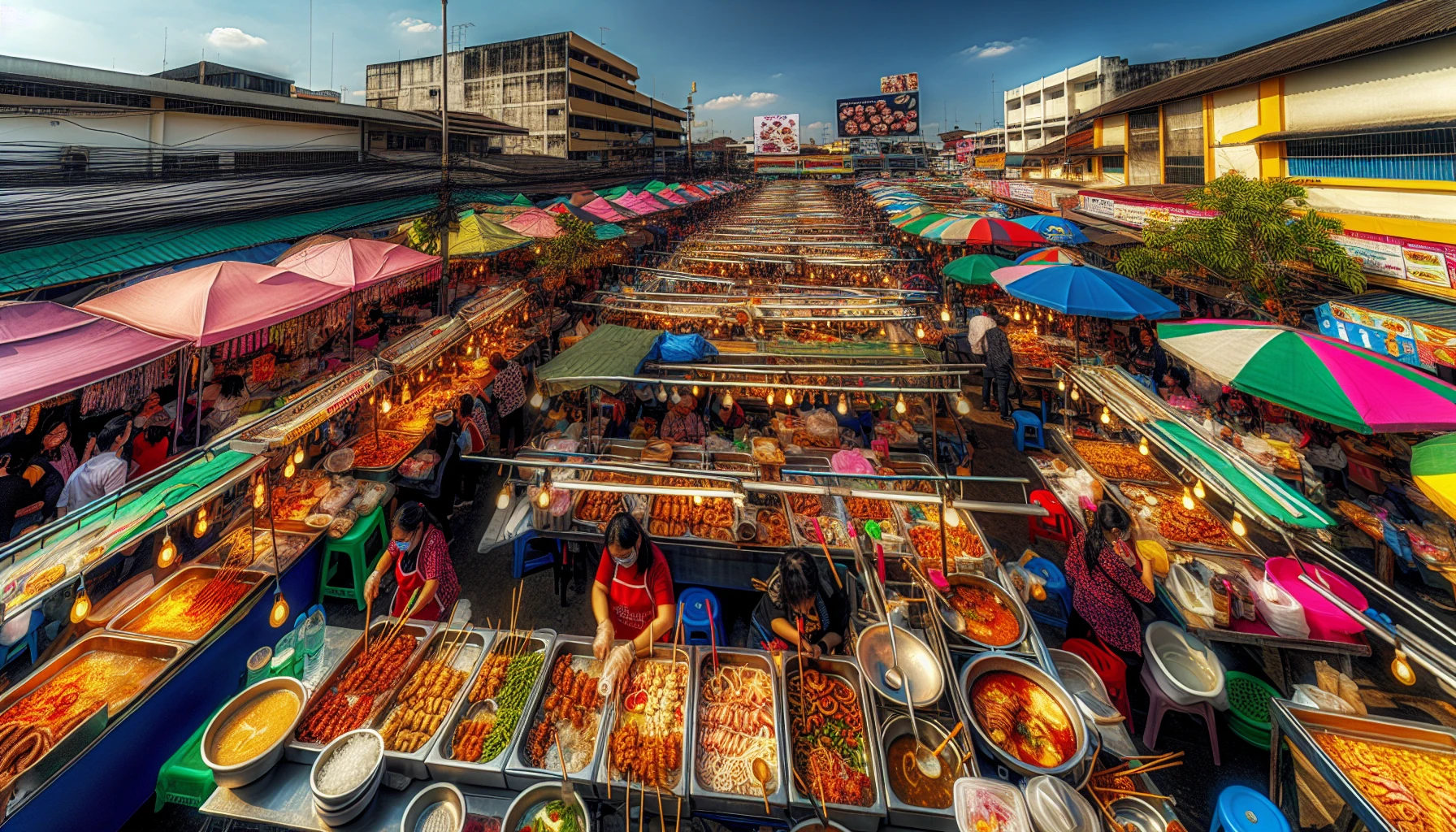
Informal Economies and Accessibility
Street food operates largely within informal economic systems. Vendors often rely on small-scale operations, family labor, and flexible supply chains. This accessibility allows individuals with limited capital to participate in urban economies.
For consumers, street food provides affordable meals that are essential to food security in many cities. Its presence supports daily survival while reinforcing community interaction.
Despite regulatory challenges, street food remains resilient due to its adaptability and social importance.

Street Food as Social Space
Beyond nourishment, street food creates informal social spaces. Food stalls and carts become gathering points where people from different backgrounds interact, exchange information, and share experiences.
These shared spaces reduce social barriers, allowing cities to function as lived, communal environments rather than anonymous infrastructures.
Conclusion
Street food offers a direct reflection of urban life, shaped by labor, migration, density, and economic necessity. It reveals how cities feed themselves and how people adapt creatively to shared environments. As urban landscapes continue to change, street food remains a vital expression of cultural resilience and everyday life.
Leave a Reply