
Traditional Cooking Methods
Cooking methods play a defining role in shaping the taste, texture, appearance, and cultural meaning of food. Long before standardized recipes and modern appliances, human societies developed cooking techniques based on geography, climate, fuel availability, and social organization. These methods transformed raw ingredients into nourishing meals while preserving food safety and flavor.
Across cultures, cooking methods evolved as practical responses to environmental conditions. From open-fire roasting to slow fermentation, each technique reflects accumulated knowledge passed down through generations. This article explores traditional cooking methods used around the world, examining their origins, applications, and cultural significance through a neutral, encyclopedic lens.
Cooking as a Cultural Practice
Cooking extends beyond preparation; it is a cultural practice that reflects shared values, social structure, and identity. The choice of cooking method often determines how food is consumed, shared, and celebrated within a community. Communal cooking methods reinforce social bonds and collective memory.
Many traditional techniques emphasize patience, skill, and sensory awareness. These methods rely on visual cues, aroma, texture, and experience rather than precise measurements, highlighting the relationship between cook, food, and environment.
Roasting and Grilling
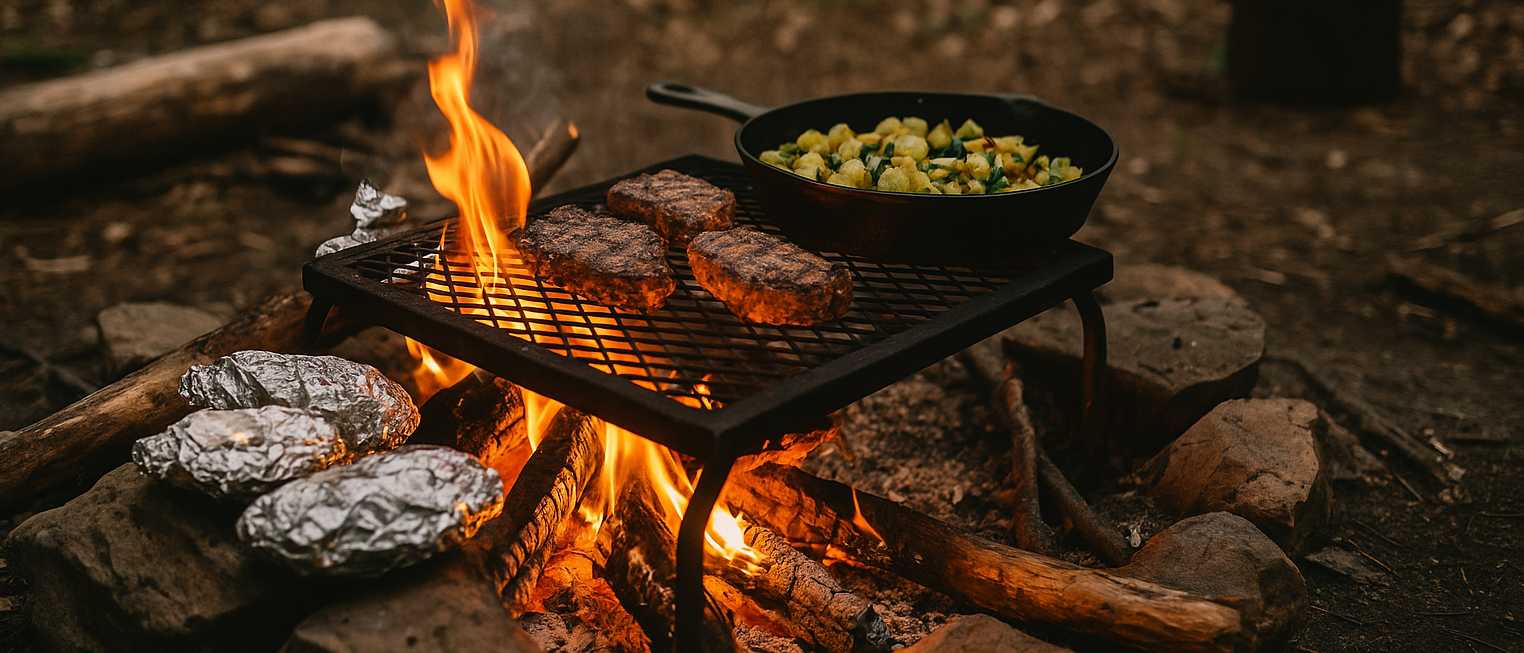
Roasting and grilling are among the oldest cooking methods, originating with the controlled use of fire. These techniques expose food directly to heat, producing distinctive flavors through caramelization and charring. They are widely used across cultures due to their simplicity and efficiency.
In many regions, grilling serves both practical and ceremonial purposes. From skewered meats in the Middle East to open-flame barbecues in the Americas, grilling adapts easily to different ingredients while maintaining its cultural relevance.
Roasting, often performed in enclosed spaces such as clay ovens or pits, allows for slower heat exposure. This method is commonly used for whole animals, vegetables, and grains, producing complex textures and flavors.

Boiling and Steaming
Boiling and steaming emerged as societies developed vessels capable of holding water and withstanding heat. These methods allow for controlled cooking and are especially effective for grains, vegetables, and legumes. They also promote nutrient retention and digestibility.
Steaming is particularly prominent in East and Southeast Asia, where bamboo steamers and layered baskets enable efficient cooking without direct contact with water. This method preserves the natural flavor and texture of ingredients.
Boiling, while simple, serves diverse purposes including soup preparation, starch cooking, and food preservation. Broths and stews often form the basis of regional diets.
Braising and Slow Cooking
Braising combines dry and moist heat, typically involving searing food followed by slow cooking in liquid. This method developed as a way to tenderize tougher cuts of meat while extracting maximum flavor from limited resources.
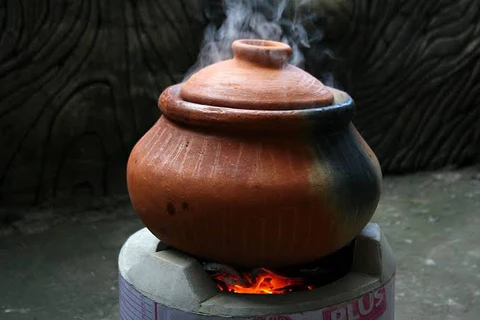
Slow cooking techniques are found worldwide, from earthenware pots in Africa to clay casseroles in Europe and Asia. These methods often require extended cooking times, reinforcing traditions of patience and planning.
The resulting dishes are deeply flavored and texturally rich, often associated with comfort food and communal meals.

Fermentation and Preservation Techniques
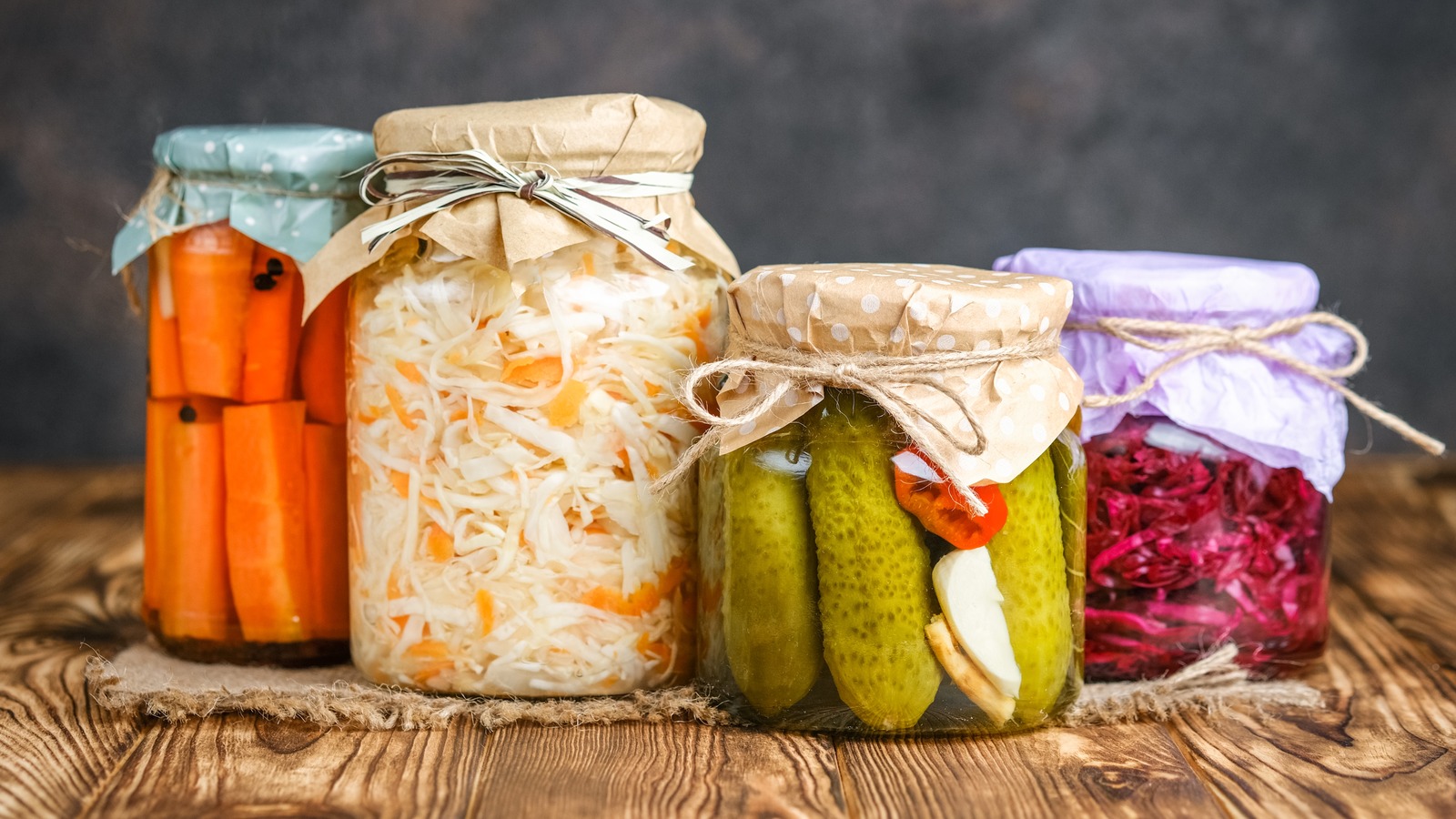
Fermentation is both a cooking and preservation method, relying on natural microorganisms to transform ingredients. This technique enhances flavor, extends shelf life, and improves nutritional value.
Fermented foods such as bread, cheese, yogurt, soy products, and pickled vegetables appear across cultures. Each reflects local conditions and microbial environments unique to its region.
Preservation methods including drying, smoking, and salting developed in response to seasonal scarcity. These techniques ensured food availability while shaping distinctive regional tastes.
Modern Adaptations of Traditional Methods
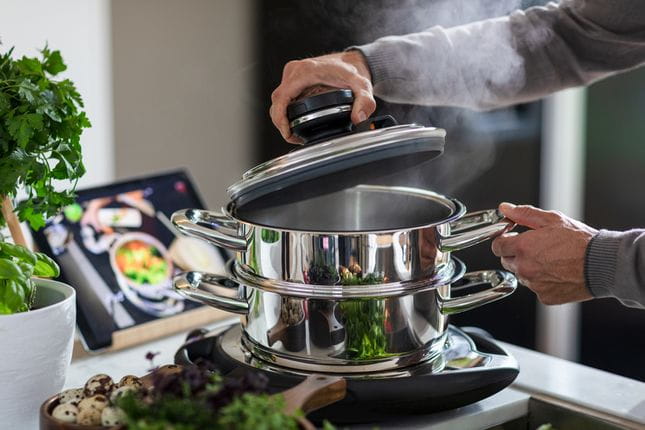
While technology has introduced new appliances and shortcuts, traditional cooking methods remain relevant. Many modern kitchens replicate ancient techniques using contemporary tools, preserving flavor while increasing efficiency.
Renewed interest in slow food, sustainability, and cultural heritage has encouraged the preservation of traditional methods. These practices offer insight into balanced consumption and respectful use of resources.
Conclusion
Traditional cooking methods provide a window into human history, adaptation, and creativity. Each technique reflects the relationship between people, ingredients, and environment. Studied collectively, these methods reveal cooking not merely as preparation, but as a cultural language that continues to shape global food traditions.
Leave a Reply